


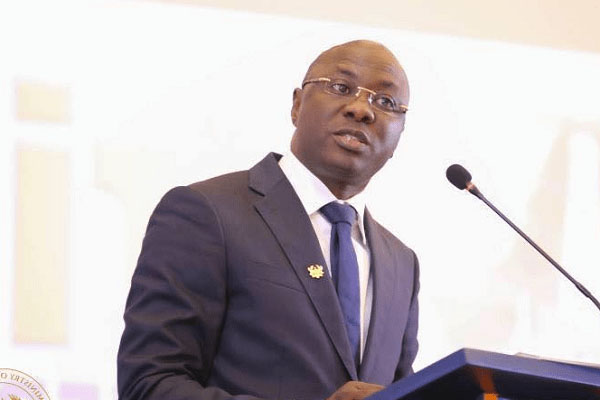
Scrapping the operations of Destination Inspection Companies (DICs) will simplify business at the ports and reduce trade costs, Dr. Edward Larbi-Siaw, a Tax Policy Advisor at the Ministry of Finance, has said.
In a year or two, the Ghana Revenue Authority (GRA) will take over completely the work of the DICs -- which mainly involves valuation of the quantity and quality of goods imported through the ports, he confirmed.
DICs were mandated 13 years ago to inspect imports in a bid to replace pre-shipment inspection, which involved inspection of imports before shipment from the country of supply.
After over a decade of operation, the government believes the work of DICs has not simplified processes at the ports or reduced corruption. The companies have often been criticised for their arbitrary charges and processes, which importers claim cause congestion at the ports because of their many interventions -- either by evaluation or reclassification or both, or by scanning discrepancies.
Government will not renew the existing contracts of DICs, Dr. Larbi-Siaw said, adding that entrusting their work to the GRA’s Customs Division will especially reduce costs.
“For Customs, once they have done the work there are no more fees and levies to be collected. So if for nothing else, when we get rid of DICs we are actually reducing the cost of doing business; and the net effect is that profits will increase and more taxes can be collected.â€
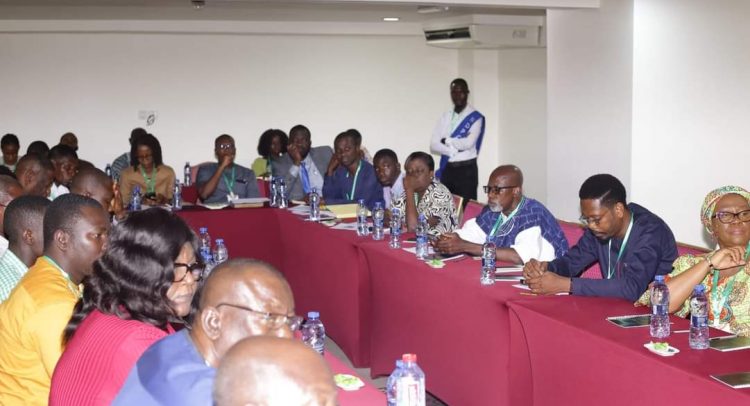
Speaking at a workshop in Accra by the GRA and the Netherlands Tax and Customs Administration to build the capacity of Customs officials in Ghana, he promised that government will engage with every stakeholder to ensure a smooth takeover.
In July 2013 the GRA and the Netherlands Customs body signed a memorandum of understanding (MoU) for a two-year partnership to build the capacity of Customs officers in terms of valuation of goods at the ports, and also to restructure the Customs laboratory.
The two-year collaboration is part of the modernisation process of the GRA, which commenced four years ago.
Commissioner-General of the GRA George Blankson said the Customs Division has received relatively less attention in terms of modernisation inputs since the reforms began.
The situation “arose from the fact that it has been extremely difficult to obtain the expertise required for the modernisationâ€, he said, adding that the collaboration with the Dutch will give a lifeline to the division.
Mr. Harry Griffioen, Head of the Dutch Tax and Customs Authority’s technical team, said capacity building will lead to the transfer of skills in the area of tariff and revenue management.
By Ekow Essabra-Mensah | B&FT Online | Ghana






Facebook
Twitter
Pinterest
Instagram
Google+
YouTube
LinkedIn
RSS