


By Kwame A. Apeaning
Ghana’s salt industry holds enormous potential, not only as a raw material supplier but also as a driver of industrialisation and export growth. With vast natural deposits particularly along the Keta–Ada coastline, Ghana is well-positioned to become a leading salt producer in West Africa.
Yet, realising this potential depends heavily on investment, technology, and access to high-value markets. Europe, with its long history of advanced salt processing and industrial applications, presents a strategic partner for Ghana’s transformation agenda.
A partnership between Europe and Ghana can create a modern salt industry defined by value addition, sustainability, and globally competitive products. This collaboration can unfold across several key areas.
Technology Transfer and Infrastructure Development is one of the most significant contributions Europe can make is the transfer of modern production technologies. European salt companies have perfected advanced methods such as mechanical harvesting, brine purification, automated processing, and solar evaporation optimisation. Introducing these technologies in Ghana would raise production efficiency, improve purity levels, and reduce post-harvest losses.
In addition, European partners can support the development of salt processing plants equipped with world-class refining, washing, drying, and packaging systems. Such infrastructure would position Ghana to produce high-quality industrial salt for sectors such as pharmaceuticals, food processing, chemicals, water treatment, and cosmetics. Again, local partners like Mineral Income Investments Fund (MIIF) and Ghana Investments Promotion Centre (GIPC) can be instrumental.
Promoting Value-Added Salt Products beyond basic production, Europe can help Ghana diversify into value-added salt products that command higher prices on the global market. These include iodized salt, gourmet sea salt, bath salts, Epsom salt, pharmaceutical-grade salt, and industrial salt pellets. European expertise quality control, mineral enhancement, and product differentiation can significantly increase the competitiveness of Ghanaian salt.
The development of these niche products would not only raise export earnings but also stimulate the domestic market by supplying local industries with higher-grade raw materials.
Establishing Industrial Zones and Supporting Industries through Governments flagship program 24Hour Economy. Europe’s experience with industrial clustering provides an excellent model for Ghana. By partnering with European investors, Ghana can establish salt industrial zones where salt production is linked with downstream industries.
These zones can host chemical plants, plastic manufacturers, water treatment facilities, and cosmetics companies that rely heavily on salt derivatives. Such an ecosystem would create thousands of jobs, attract foreign investment, and drive localised economic growth in coastal communities.
Capacity Building and Knowledge Exchange another critical area of collaboration is human capital development. European institutions and companies like EU Salt, can partner with Chamber of Salt Producers and Exporters Ghana , CSIR to train salt engineers, plant operators, quality assurance managers, and environmental officers.
Exchange programs, workshops, and technical missions can enhance local expertise and ensure that Ghana meets international standards for salt purity, packaging, traceability, and environmental management. Building such capacity is essential to sustaining growth in a competitive global market.
Strengthening Environmental Sustainability is paramount in recent times placing more emphasis on climate change and biodiversity. Europe is a global leader in sustainable industrial practices, and Ghana can benefit immensely from this expertise. Joint efforts can focus on coastal resource management, eco-friendly brine disposal, renewable energy integration in salt processing, and climate-resilient salt production systems. These measures will help reduce environmental impact while securing long-term viability of salt-producing communities.
Improving Market Access and Compliance with EU Standards for Ghana to penetrate Europe’s high-value markets, compliance with EU standards is crucial. European partnerships can support Ghanaian producers to secure certifications such as ISO, HACCP, and REACH. With better adherence to these standards, Ghana can access new market segments, secure long-term supply contracts, and participate in international trade fairs that boost global visibility for its salt products.
The global salt market was valued at USD 25.98 billion in 2024. The global salt market is heavily dominated by regions outside Africa — for example, the Asia-Pacific region held about 46.2% of the global market in 2024. According to some sources, the “Middle East & Africa” region combined holds only about 2%of global salt market revenue (or at least a very small portion) in certain analyses. The overall salt production in Africa in 2024 was reported at 18 million tons. Mind you Africa does not have a well – structured data system to value intra-trade so the figure can be disputed in terms of trade volume.
Research, Innovation, and New Product Development is critical for stability, sustainability and growth. Joint research programs between European and Ghanaian institutions like CSIR and The Chamber of Salt Producers and Exporters can foster innovation in the salt sector. Collaborative studies on improving purity levels, developing pharmaceutical salt, enhancing sea salt minerals, and adapting production to climate variations will position Ghana as a knowledge-driven producer rather than a commodity exporter.
With Financing and Investment Support, European financing institutions such as including the EU, European Investment Bank (EIB), and bilateral agencies can provide critical funding for salt processing facilities, quality assurance laboratories, and industrial infrastructure. Grants, low-interest loans, and public–private partnerships can accelerate the establishment of modern facilities and reduce the financial burden on Ghanaian investors.
In conclusion, a strong Europe–Ghana partnership holds the key to unlocking the full potential of Ghana’s salt industry. Through technology, value addition, sustainability practices, market access, and research collaboration, Ghana can transform its salt sector into a competitive industrial powerhouse. This partnership would not only benefit Ghana but also provide Europe with a stable, high-quality source of salt and salt-based industrial inputs. By embracing such collaboration, Ghana can shift from exporting raw salt to leading in value added products—creating jobs, driving industrial growth, and securing a stronger position in global supply chains.
The writer is the Founder || Chamber of Salt Producers & Exporters Ghana
The writer is the Founder of the Chamber of Salt Producers and Exporters Ghana and doubles as the CEO of Precious Premium Salt, a leading brand in Ghana’s industrial and consumer salt market. With extensive expertise in the salt value chain across West Africa, he has become a recognised voice in the sector, driving conversations on value addition, industry standards, and international market competitiveness.
Dedicated to advancing the growth of Ghana’s salt industry, Kwame A. Apeaning continues to champion collaboration, innovation, and policy support to strengthen the country’s position as a competitive player in the regional and global salt market.
The post Farmers’Day25: How we can partner Europe to advance the salt industry through value addition appeared first on The Business & Financial Times.
Read Full Story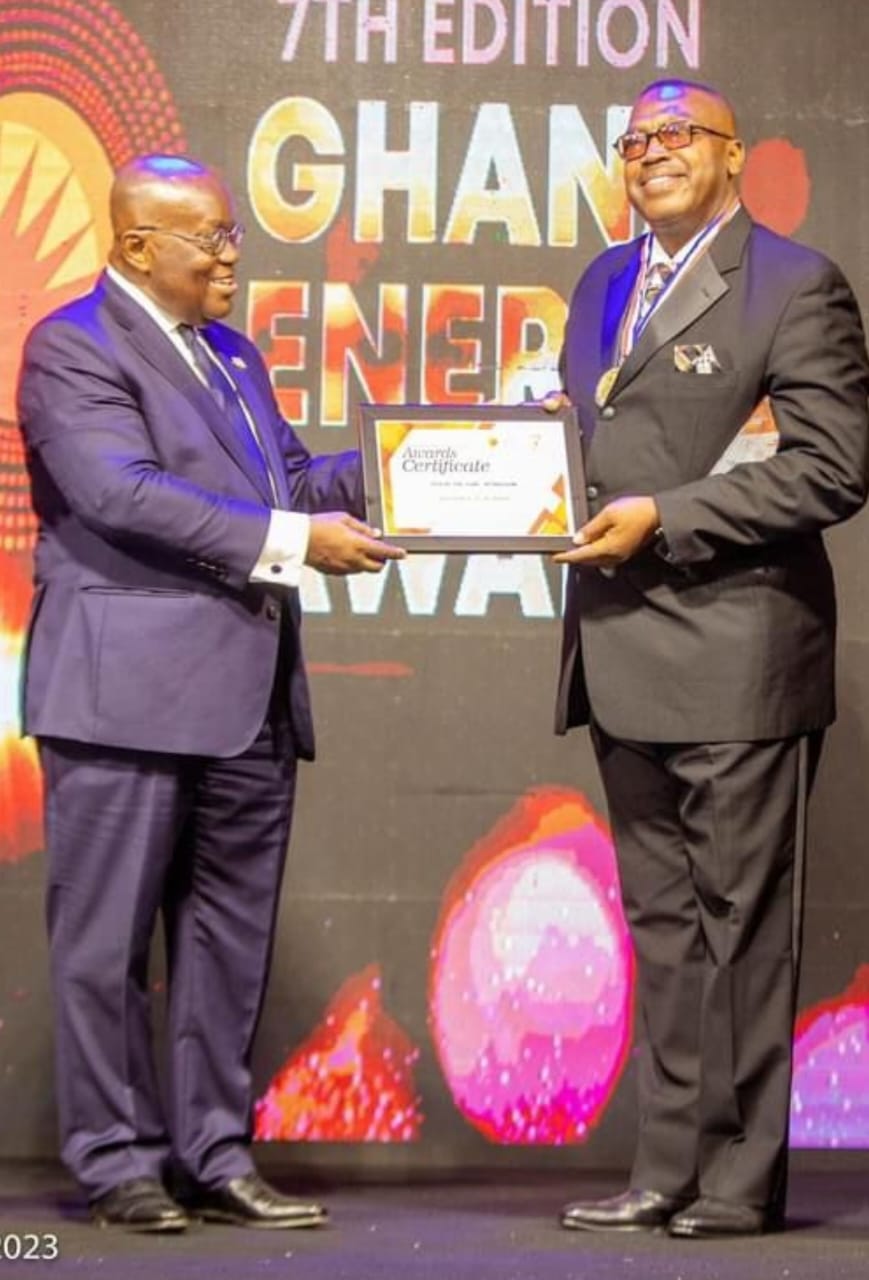





Facebook
Twitter
Pinterest
Instagram
Google+
YouTube
LinkedIn
RSS