


For many of us in Ghana, December is more than an end-of-year marker; it is a cultural heartbeat. It is the moment when families reunite, street markets buzz, music fills the air, and the vibrant phenomenon known as Detty December or December in GH pulses from Accra to Takoradi and beyond.
Over the past decade, this festive season has grown into a magnet for diaspora homecoming, international visitors, and a nationwide calendar of events that celebrate music, heritage, and community; from beach parties and concerts to the Ghana Christmas Market at the Kwame Nkrumah Museum precinct and theatre festivals across the city.
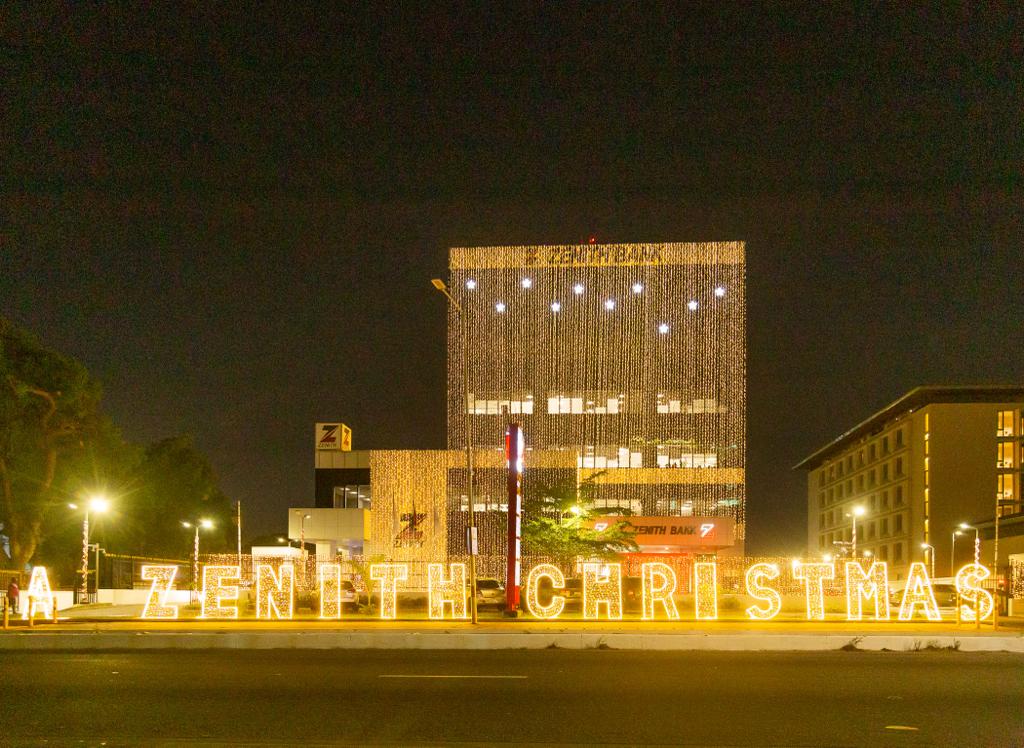
As this final week of Christmas 2025 unfolds and December edges toward its close, with 2026 looming over our heads, Ghana remains in celebration mode, and rightly so. Across Accra and beyond, markets remain busy, Detty December events continue, families are travelling, and homes are still glowing with festive lights.

For many, the celebrations will stretch right into New Year’s Day and beyond. Therefore, this moment, now, not earlier in the month, still matters for climate action. Climate change does not measure intention; it measures impact. And the choices we make in this last stretch of Christmas and year-end festivities still shape our environmental footprint.
December in Ghana: Joyful, But Resource-Intensive
December is one of the most resource-heavy months of the year in Ghana. Transport emissions spike as people move between regions to visit family or attend events. Electricity consumption increases due to extended lighting, entertainment systems, cooking, baking, and air conditioning. Markets generate enormous volumes of plastic packaging and food waste. Ironically, Ghana contributes a relatively small share of global emissions, but we are among the countries already feeling the consequences: coastal erosion, heat stress, flooding, and declining fisheries. This reality makes conscious celebration not optional, but responsible. Basically, how we celebrate in this season matters!
Markets are Still Open, Let’s Shop with Intention
With Christmas markets, pop-ups, and roadside stalls still active this week, indeed, how we shop now matters. Choosing locally made gifts, food, and clothing reduces emissions linked to long-distance transportation and supports Ghanaian livelihoods. Carrying reusable bags on our shopping expeditions, declining excessive packaging when shopping, and buying only what will truly be used can significantly reduce post-Christmas waste, much of which otherwise ends up in open dumps or drains. As celebrations wind down, restraint becomes an absolute environmental virtue!
Detty December Isn’t Over, Let’s Travel Smarter
Detty December events are still in full swing: concerts, beach gatherings, festivals, and nightlife continue across Accra, Tema, and coastal towns. Transport remains one of Ghana’s largest sources of energy-related emissions, and December traffic congestion reflects that reality. This final festive stretch is an opportunity to carpool to events, share rides with friends and family, plan multi-stop outings instead of repeated trips, and avoid unnecessary solo driving where possible. These small adjustments reduce fuel use, emissions, and congestion, all without cancelling joy.
Energy Use Still Counts, Especially This Week
Christmas lights are still up. Homes are still hosting guests. Music systems are still running late into the night. Yes, electricity demand does not suddenly drop after the 25th. Switching off decorative lights during the day, unplugging idle appliances, using energy-efficient bulbs, and moderating air-conditioning use this final week can meaningfully reduce energy strain and emissions. In a country where electricity generation still relies significantly on fossil fuels, these choices matter.
Food Waste Peaks After Christmas, Let’s Plan the Last Meals Carefully
One of the most overlooked environmental impacts of Christmas happens after Christmas Day. Leftovers spoil, excess food is discarded, and waste piles up. As families continue gatherings this week, planning portions carefully, storing food properly, sharing surplus with neighbours, or supporting community food efforts can reduce unnecessary waste while reinforcing the true spirit of the season.
What We Do Now Sets the Tone for the New Year
This final week of December is not just an ending; it is a transition. The habits we carry into the New Year often begin here. If our celebrations model thoughtfulness, moderation, and care for our environment, we start the year aligned with resilience rather than regret. Children are watching, communities are learning, norms are being shaped. Certainly, climate responsibility does not require cancelling celebrations; that’s not the message at all; it requires conscious celebration. Let us therefore be intentional in our choices. As this Christmas gently gives way to the close of the year 2025, may this season remind us that care is a form of love: love for one another, and for the Earth we share. In the same spirit of love, let our final festive choices reflect not just joy and generosity, but stewardship: stewardship for our land, our seas, our cities, and the generations who will inherit them.
Final Thoughts
May our celebrations be filled with gratitude rather than excess, generosity rather than waste, and joy that does not borrow from the future. As we step into a new year, may we carry forward not just festive memories but renewed commitment to protect our environment, strengthen our communities, and leave a gentler footprint wherever we go. From my heart to yours, I wish you a peaceful Christmas and a hopeful, climate-conscious New Year! See you all in 2026!! Cheers!!!
“
The post Your Environmental Spotlight with Edna OBIRI: This Christmas Season in Ghana, let’s celebrate with the Climate in Mind appeared first on The Business & Financial Times.
Read Full Story












Facebook
Twitter
Pinterest
Instagram
Google+
YouTube
LinkedIn
RSS