


By Junaid Limann
Royal of Gwollu; Filmmaker, Event and Music Producer, Marketer, and Creative
Abstract:
The Tanjia Musa Fire Festival represents a multifaceted initiative that combines heritage preservation, cultural education, and Pan-African engagement. Rooted in the historic town of Gwollu in Ghana’s Upper West Region, the festival commemorates resistance to slavery while exploring avenues for regional and global cultural exchange. This article examines the historical context of Gwollu’s resistance, the life and leadership of Tanjia Musa, and the contemporary execution of the festival through its three main components: the local festival, a Pan-African expedition drive, and international educational and artistic collaborations. The discussion also highlights partnerships with government, diaspora institutions, and international creative organizations, demonstrating the festival’s potential to strengthen cultural tourism, creative practice, and transnational dialogue. The festival is scheduled to commence in September 2026.
Introduction
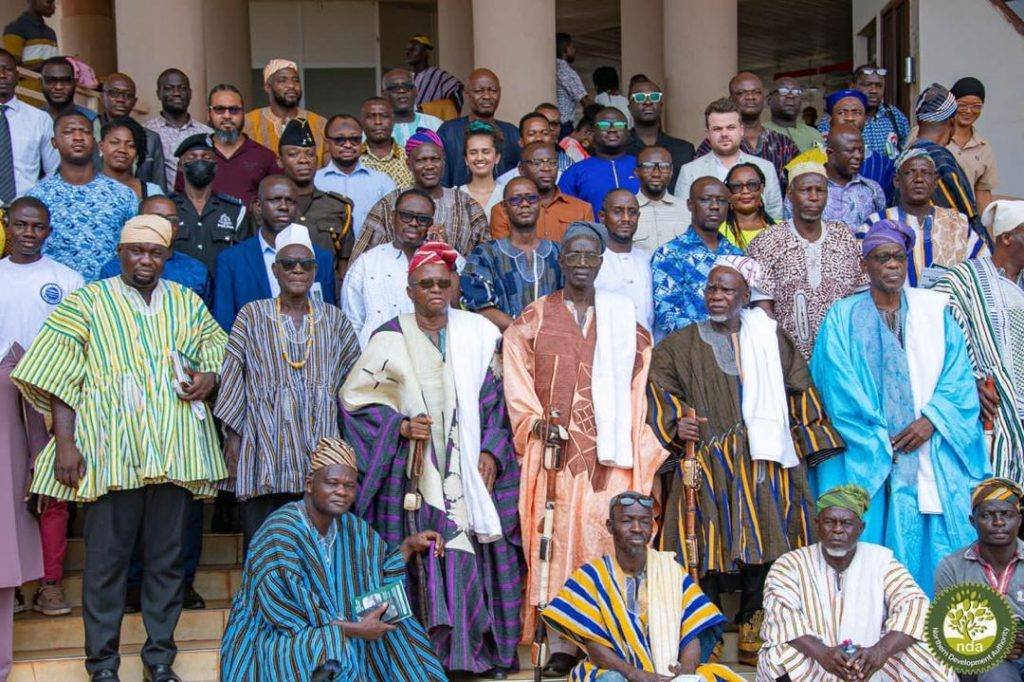
I am Junaid Limann, a royal of Gwollu, and a filmmaker, event and music producer, marketer, and creative. Although I had visited Gwollu multiple times prior to 1998, it was in that year, following the passing of my uncle, Dr. Hilla Limann, former President of the Republic of Ghana, that I witnessed the town’s cultural significance in full force. At his funeral, chiefs and traditional leaders from across northern Ghana, as well as from Burkina Faso and Niger, convened in Gwollu. Horses, a camel, music, regalia, and ritual formed a vivid display of northern Ghanaian culture, demonstrating the town’s historical importance as a centre of leadership, heritage, and resistance.
This familial and cultural legacy informed my professional and creative pursuits. My father, the late Gwollu Kuoru Kuri Buktie Limann IV, recognised the need to institutionalize the remembrance of Gwollu’s history through the Tanjia Musa Fire Festival, which he founded to commemorate the community’s historical resistance and ensure the transmission of this legacy to future generations.
Historical Context and Leadership of Tanjia Musa
At the heart of Gwollu’s heritage is Tanjia Musa, a pivotal leader during the 18th and 19th centuries. His leadership was marked by coordination and mobilisation of the community—chiefs, elders, warriors, women, and families—to defend Gwollu from slave raiders. Women played essential roles in intelligence, logistics, and sustaining the town during periods of siege, highlighting the communal nature of resistance.
One of the most enduring symbols of this collective effort is the Gwollu Slave Defence Wall, constructed through community labour and strategic planning. While Tanjia Musa coordinated the effort, the wall embodies collective resilience rather than individual accomplishment. The town’s resistance occurred in the context of regional slave raiders, including Babatu, and military campaigns associated with Samory Touré, whose forces shaped much of West Africa during the period. Gwollu’s successful fortification represents a rare instance of organized community resistance in northern Ghana.
Components of the Tanjia Musa Fire Festival
- Main Festival in Gwollu
The festival is anchored by a symbolic fire procession, representing vigilance and resilience. Activities include traditional music and dance, oral history storytelling, historical reenactments, and guided tours of the Slave Defence Wall. The festival emphasizes intergenerational dialogue, ensuring young people understand and participate in the transmission of their heritage. - Pan-African Expedition Drive
The second component is the Tanjia Musa Fire Festival Pan-African Drive, a journey from Accra to Dakar via Abidjan using Nissan Patrol Y61 vehicles. This drive underscores the shared histories of slavery and resistance across West Africa. Through collaboration with the Ministry of Foreign Affairs, the expedition engages with representatives of Ministers of Foreign Affairs in each country, facilitating cultural exchange, diplomatic coordination, and regional solidarity. The drive serves both symbolic and practical purposes: it strengthens cross-border connections and highlights historical commonalities among West African nations affected by slavery. - Education, Arts, and Cultural Exchange
The festival also encompasses educational and creative initiatives, including a proposed music and cultural residency at Howard University in Washington, DC, providing a platform for artists, scholars, and students to explore Gwollu’s story through creative and scholarly practice.
Additionally, the festival has developed international collaborations with Hull City Council and the Hull Artist Research initiative in the United Kingdom, establishing a long-term cultural and creative exchange programme between Gwollu and Hull. Hull’s historical connections to the transatlantic slave trade juxtaposed with Gwollu’s history of resistance create a meaningful framework for artistic, research-based, and culturally sensitive dialogue. Through residencies, workshops, and collaborative projects, the programme facilitates knowledge transfer and co-creation while ensuring the narrative of Gwollu remains community-led.
Implications for Tourism, Heritage, and Development
The Tanjia Musa Fire Festival has significant potential to position Gwollu as a heritage tourism destination while promoting northern Ghana’s cultural assets. Economic benefits include the creation of employment opportunities in hospitality, crafts, guiding, and cultural services. Sustainability is addressed through documentation, archival of oral histories, and academic research initiatives, ensuring the festival’s legacy endures.
Partnerships with government agencies in culture, tourism, and foreign affairs provide institutional support, enabling effective implementation, local community engagement, and global outreach. The festival also serves as a model for integrating heritage, creative practice, and Pan-African collaboration in a sustainable and community-centred manner.
Conclusion
The Tanjia Musa Fire Festival Expedition, set to commence in 2026, is both a cultural commemoration and a dynamic platform for education, creative practice, and Pan-African engagement. From the leadership of Tanjia Musa, to the collective resilience of Gwollu, to the foresight of my father in founding the festival, it represents a living legacy. By combining local heritage, regional solidarity, and global cultural exchange, the festival repositions Gwollu as a site of historical significance and contemporary creative innovation, offering a model for heritage-led development in northern Ghana and beyond.
The post The Tanjia Musa Fire Festival: Reclaiming Gwollu’s Legacy and repositioning Northern Ghana appeared first on The Business & Financial Times.
Read Full Story




Facebook
Twitter
Pinterest
Instagram
Google+
YouTube
LinkedIn
RSS