


Ms Bahati Haule, a Paediatric and Adolescents Officer AFROCAB, has called for multi-sectoral, cross-cutting intervention to end AIDS Mortality by 2030.
“We need a multi-sectoral, cross-cutting intervention where every partner comes in the room and puts AIDS as part of their conversation, their programme, as part of their literacy programmes, and as part of their strategies,” she said.
Ms Haule speaking during a session at the on-going 2025 ICASA conference in Accra said now more than ever, African governments, the AU, Global Fund, UNAIDS, among others needed to come together as one cannot do it alone, adding “We need each other”.
She said Advanced HIV Disease (AHD) had been identified as the leading cause of AIDS-related mortalities among people living with HIV within the continent and as such countries must work together to ensure that they identify people early, and link them into care and treatment.
Advanced HIV Disease (AHD) occurs when the immune system is severely weakened, typically with a CD4 cell count below 200 cells/mm³ or WHO clinical Stage 3 or 4, making individuals highly vulnerable to serious opportunistic infections like TB, fungal infections and certain cancers, leading to high risk of death even with treatment.
Ms Haule said despite the gains made in ending AIDS Africa was not doing very well because mortality is still high on the continent, particularly for children and adolescents due to late diagnosis.
According to the World Health Organization (WHO) about five children die from AIDS Mortality on yearly basis.
“So imagine that just in 2025, we have about 5,000 babies dying from advanced HIV disease. This is sad because it is preventable, and it is treatable,” she added.
Ms Haule said to support in this regard and ensure that Africa ended AIDS as a public health threat, governments must create awareness on AHD as it was not popular in systems, and programmes.
“We are hoping that with the stakeholders we had in the room, from communities to government, doctors, funders, and decision makers, they can have awareness on what advanced HIV disease is.
And that they can prioritize it in their countries, in their conversation and everything that they do in their country so that by 2030, we can end all AIDS-related mortalities on the continent,” she stated.
She advised that early detection, community-facility linkages, continuity of care, and client feedback could be applied through the implementation of the STOP AIDS Package of Care to improve outcomes for children living with AHD.
“So we need to screen, treat, and optimize our treatment and our diagnosis, but also need to prevent people living with HIV from getting into advanced HIV disease stage,” she said.
The session was themed, “Turning the Tide on Mortality Through Early Community AHD Case Finding”.
The 23rd International Conference on AIDS and STIs in Africa (ICASA 2025), which began on December 3-8 is organised by the Society for AIDS in Africa (SAA).
It is on the theme; “Africa in Action: Catalysing Integrated and Resilient Health Systems for Sustainable Responses to end HIV, Other Infectious Diseases, and Emerging Threats”.
The five-day conference has about 3,000 delegates including global experts, policymakers, researchers, (1:13) community advocates, partners and leaders from 85 African countries participating.
AFROCAB is a network for community HIV treatment advocates across Africa.
Source: GNA
The post Cross-cutting interventions needed to end AIDS mortality by 2030 appeared first on Ghana Business News.
Read Full Story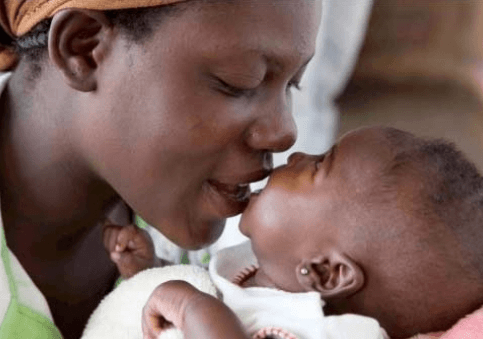






Facebook
Twitter
Pinterest
Instagram
Google+
YouTube
LinkedIn
RSS