


By Samira Larbie/Ayisha Issaka, GNA
Accra, Oct. 24, GNA - Professor Agyeman Badu Akosa, the Executive Director of Healthy Ghana, has called for a national dialogue on health issues in the country to find lasting solutions to challenges in the sector.
He said health services in the country had deteriorated so much that the same systems that operated could not be used to address the situation.
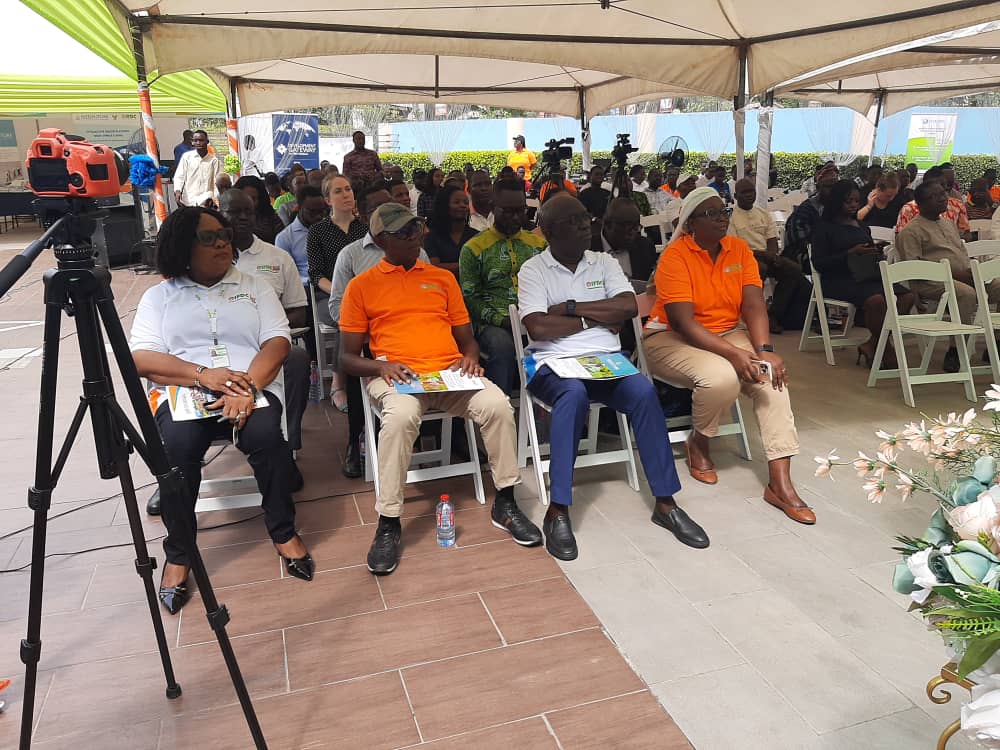
The Former Director General of Ghana Health Services, made the call at a national CSO dialogue meeting organized by Ghana HIV&AIDS Network (GHANET) in Accra, on the theme “CSO’s Engagement with Government on Counterpart Health Financing for HIV/TB.”
He said Ghana was facing problems with regards to funding because the country does not have command over her own resources and this had led to the challenges still persisting today.
“We do not have enough resources to fund our own needs and that had been the problem the country is faced with, “he stated.
He explained that Ghana must change from relying on donors to fund her activities and rather engage in research to know what the problems are as far as health was concerned and be able to channel resources towards that direction, saying “if we wait for others to dictate to us because of their support then we will continue to remain where we are.”
“We need to seat back and be in retrospection on what our pertinent problems are and challenge ourselves by working hard to address them.”
Mr Victor Attah Ntumi, the President of GHANET, said the global funding of $450 million dollars decreased to $194 million dollars, and this shows that, if the country does not mobilise resources, there would be serious challenges in the response.
This he said was important, as Ghana could not afford to meet the resources needed to critically address HIV and AIDS.
Mr Ntumi appealed to government to operationalize the funds by committing resources into it and urged the public to also contribute to the fund.
He called for an increase of the 0.5 per cent direct funding from the district assemblies to 2.5 per cent to enable it to cover the operational cost of HIV activities at the district level.
Madam Cecilia Senoo, Executive Director, Hope for Future Generations, said Ghana cannot continue to depend on donors and therefore needs to increase domestic spending on HIV, to enable Ghana to end HIV by 2030, as stated by the Sustainable Development Goals.
Mrs Cecilia Abena Dapaah, Minister of Aviation, in a speech read on her behalf by Ambassador Dr. Mokowa Blay Adu-Gyamfi, Director General Ghana AIDS Commission, noted that, funding would be put in place to support the fight against AIDS.
She said a committee had been set up “to listen to the voice of people living with the virus so that the necessary measures would be put in place as a national response to HIV.
Dr Adu-Gyamfi entreated partners to explore donor funding from the private sector, both locally and externally, to generate enough funds to support people living with HIV/AIDS.
Mrs Tina Gifty Naa Ayeley Mensah, the Deputy Minister of Health said HIV/TB was of high priority to government and would do all it could to ensure it was eradicated by 2030.
She said government had intensified efforts by engaging more with stakeholders to ensure that the needed support was given to HIV/TB victims in the country to meet the SDG’s.
GNA
Read Full Story






Facebook
Twitter
Pinterest
Instagram
Google+
YouTube
LinkedIn
RSS