


Ghana Health Service (GHS) has raised a health alarm about the rising numbers of upper and lower respiratory tract illnesses, with air pollution contributing significantly to the burden of non-communicable diseases (NCDs) nationwide, Dr. Akosua Gyasi of the Public Health Division of GHS says.
She added that the continued reliance on biomass fuels, mainly firewood and charcoal, in many households across the country exposes individuals to dangerous levels of air pollution.
Dr. Gyasi raised the alarm at a stakeholders’ meeting on air quality in Accra, warning that “Pregnant women and young children are the worst affected. Pregnant women face increased risk of adverse pregnancy outcomes such as low birth weight, preterm birth and poor fetal growth.”
“Studies have given us evidence that many women in coastal and fish-smoking communities continue to experience irritation, eye redness, extensive tearing, and even skin dryness as a result of the long-term exposure to this smoke and heat,” she added.
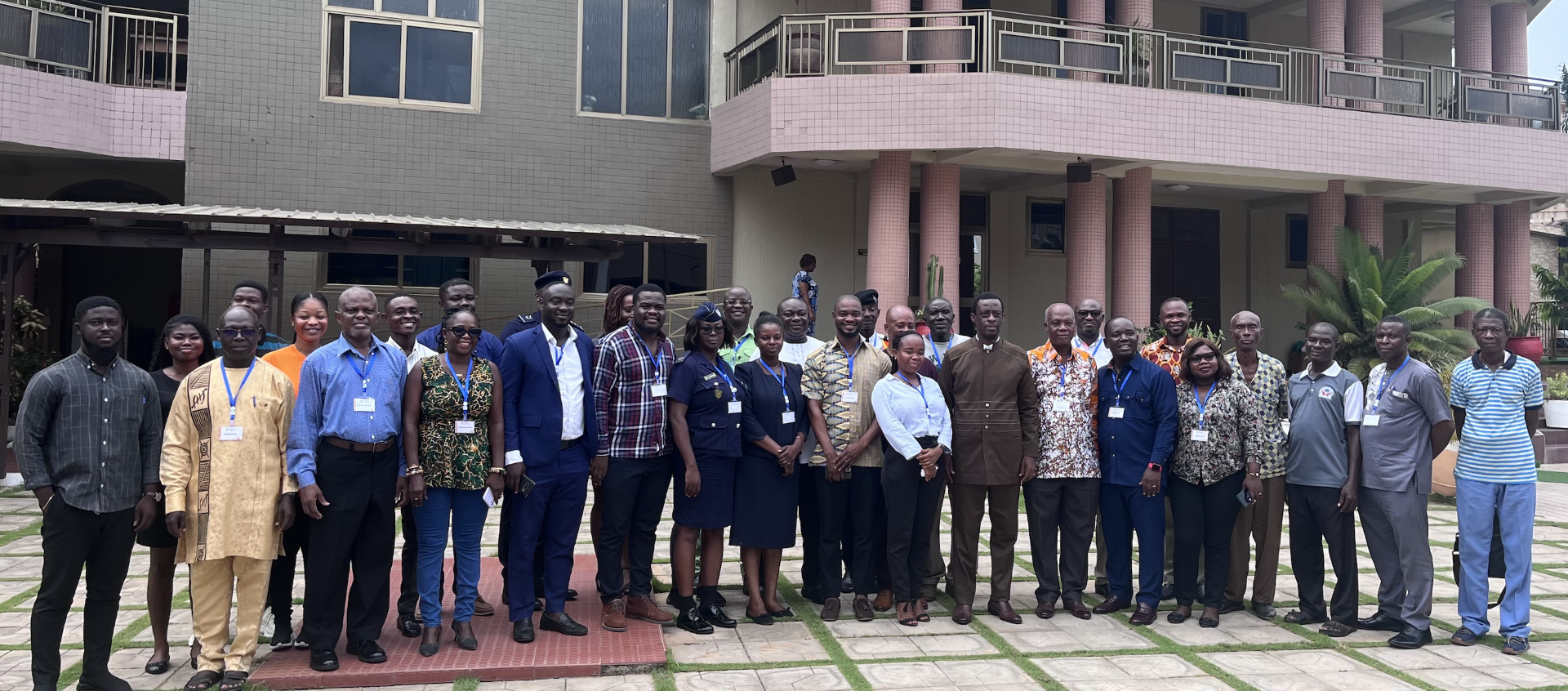
Organised by the Clean Air Fund under its Ghana Urban Air Quality Project, the “Breathe Accra” national stakeholders’ conference sought to share knowledge and explore opportunities to strengthen collaboration, scale impactful interventions, and integrate data-driven solutions into national and local decision-making for cleaner air in Ghana.
The conference brought together development partners, experts, government agencies, academic institutions, grantees, and other relevant stakeholders to advance efforts toward improved air quality in the country.
Stressing that addressing household air pollution is essential to protecting women’s health, safeguarding children’s development, and reducing the country’s disease burden, Dr. Gyasi urged the public to adopt cleaner cooking alternatives. She also called for coordinated action, strong policy enforcement, cross-sectoral collaboration, and community engagement to tackle the threat of air pollution in Ghana.
The Head of the Environmental Quality Unit at the Environmental Protection Agency (EPA), Madam Selina Amoah, said the new Environmental Protection Act, 2025 (Act 1124), which provides a legal framework to better control emissions from all pollution sources including industries, vehicles, households, and individuals, was timely in addressing the growing threat.
She said the Environmental Protection Air Quality Management Regulations, 2025 (L.I. 2507), under the Act, made it illegal and criminal to burn waste openly, cautioning that the EPA would enforce the law strictly.
“If you look at the law, there is even a portion for open burning and open burning is done by individuals, so there are sanctions, whether you are an individual or an entity. If you are caught burning openly, the law will be applied,” she warned.
Admitting that Ghana’s waste collection system still faces challenges, which often push people to resort to burning, Ms. Amoah encouraged individuals to segregate their waste to promote cleaner air.
“Plastic, metal, and other components can be recycled. People are burning things that are actually worth money. We encourage households to separate recyclable materials and engage waste companies to pick what remains,” she added.
For his part, the Country Director of the Clean Air Fund, Mr. Desmond Appiah, called for unified action to address air pollution in the country. He reaffirmed his organisation’s commitment to advancing progress on clean air initiatives in Ghana.
BY ABIGAIL ANNOH
???? Follow Ghanaian Times WhatsApp Channel today. https://whatsapp.com/channel/0029VbAjG7g3gvWajUAEX12Q
???? Trusted News. Real Stories. Anytime, Anywhere.
? Join our WhatsApp Channel now! https://whatsapp.com/channel/0029VbAjG7g3gvWajUAEX12Q
The post GHS raises red flag over air pollution appeared first on Ghanaian Times.
Read Full Story








Facebook
Twitter
Pinterest
Instagram
Google+
YouTube
LinkedIn
RSS