


Robert Lucas once called economists “storytellers” who create “make-believe economic systems”. I did not become an economist, so I’ve tried other ways to make a living—most of my get-rich ideas haven’t worked out. Now, I have a new venture I think has potential, and I’d like to share its story with you.
Detty December is well underway, and I’m eager to make the most of the many visitors arriving in town. There’s an amusement park called Funville near my home. If you haven’t visited, picture a magical place full of thrilling rides, fantastic shows, and unforgettable snacks. The owner is Auntie Mercy, my next-door neighbor.
My plan is to persuade her to rent me the park so I can run it for a day. The arrangement is straightforward: I’ll pay her a fixed fee and keep all the money I earn during my day in charge. Since Auntie Mercy has managed Funville for years, she knows the usual profits at this time and will charge me accordingly. For this deal to be worthwhile, I must believe I can make even more from the park—and I do.
You may be wondering, “Gideon, what do you really know about running an amusement park?” Truthfully, aside from frequently visiting with my kids on weekends, I don’t have much direct experience. Still, the business model is pretty simple. Instead of cash, visitors buy tickets at the entrance to pay for attractions and food.
Each ticket costs GH¢1, and rides or meals are priced by the number of tickets required. The rides and food stands are operated by independent concessionaires, who collect tickets from customers during the day. Like casino chips, these tickets are later exchanged for cash once the day ends. The park owner makes money by taking a 10% commission on all tickets redeemed by concessionaires. This setup allows the owner to profit without being heavily involved in daily operations.
To promote fairness and reduce the need for haggling, concessionaires are required to post their prices on painted signs that remain unchanged throughout business hours. They typically employ temporary staff who are paid by the hour, as attendance varies. When business is slow, some workers might be sent home early. Park regulations state that employees also receive part of their pay in tickets, which can be used to purchase food or enjoy rides during their breaks.
Funville operates much like its own monetary system with a fixed exchange rate. The cashier’s office at the gate acts as the central bank, ready to exchange tickets (local currency) for cedis (foreign currency) at a set rate. Here’s my master plan (cue: Eric B & Rakim, “Paid in full”). On the day I take over, I will raise ticket prices to GH¢1.40 without any advance notice to the public or park staff. Employees will be notified that they can only enter the park once. If anyone wants food from outside the park, my two nephews will be available to bring it to them for an additional 20% fee. How will the day unfold?
When customers arrive at the ticket booth, they are surprised by the new price changes. This unexpected adjustment, following the Lucasian approach, sparks various reactions: some people become upset and leave, while those with a set budget end up purchasing just 71% of the tickets they would have otherwise bought. Meanwhile, the few big spenders barely react, paying the extra 40% without changing their behavior. I estimate that these buyers, motivated by Christmas festivities, heavy traffic, and a desire not to disappoint their children, will outnumber those who walk away due to the increase. Once inside the park, however, the situation shifts. It’s clear no one will buy more tickets than before the price hike; most will purchase fewer, resulting in a decrease in the total number of tickets—or the “money supply”—circulating in the amusement park’s economy compared to a typical day.
The concessionaires notice fewer visitors than usual. I think some of them might send their staff home early. Their concern grows as they see guests wandering the park without spending much on rides or food and because they were not forewarned, they cannot adjust prices downwards to attract customers. The atmosphere feels gloomy until news arrives that tickets are now valued at 40% more in cedis. Each operator quickly calculates whether the increase offsets their loss in ticket sales. Meanwhile, my two nephews benefit the most—they’re suddenly swamped with orders from staff who realize that even with a 20% surcharge, buying food outside the park is cheaper. As a result, the concessionaires experience another drop in local staff patronage.
At day’s end, it’s clear that my import agents (nephews) benefited most from my actions, which gave them opportunities to profit. I may have also managed to take advantage of customers and ended up with extra money. However, this comes at a cost: Auntie Mercy will face difficulties when she takes over, visitors are unlikely to return because of the price shock, and disappointed concessionaires will have lost money. Ultimately, the true losers are the consumers (visitors) and labor who became unemployed. By causing the currency to appreciate, I have reduced output and employment within my close system.
When asked about our top three exports, most people mention gold, oil, and cocoa, but they often overlook tourism, which is the second largest export. Tourism is classified as a service export because it brings foreign visitors who spend money on local services such as hotels, food, and attractions. This spending introduces foreign currency into the economy, just like exporting physical goods does. When international tourists pay for domestic goods and services—like transport, accommodation, and entertainment—their expenditures are counted as exports, strengthening the nation’s economy and trade balance. Instead of sending goods overseas, the country hosts foreign consumers who “consume” its services. This steady influx of foreign money is crucial for supporting jobs and significantly boosting GDP, making tourism a top service export. Last year tourism revenues was estimated at $4.8 billion and local tourism alone generated GH¢1.83 billion. In this fun park allegory, currency appreciation is like making tickets more valuable. While it may seem beneficial at first, it discourages tourists from spending money in the park because their own currency doesn’t go as far. In the real world, when a country’s currency appreciates, foreign tourists find it more expensive to visit and spend, which can hurt businesses and local tourism also falls as its cheaper to go abroad. But what do I know? Happy Holidays.
Gideon Donkor, an avid reader, dog lover, foodie, closet sports genius but a non-financial expert
The post SIKAKROM with Gideon DONKOR: How I Tried to Get Rich at Detty December (and Accidentally Invented a Recession)” appeared first on The Business & Financial Times.
Read Full Story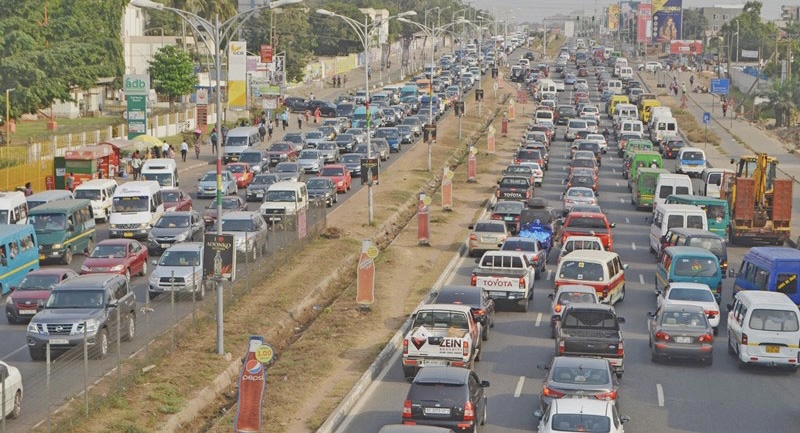







Facebook
Twitter
Pinterest
Instagram
Google+
YouTube
LinkedIn
RSS