


By Prof. Samuel Lartey
In the spirit of Wallace D. Wattles’ idea of divine partnership, where individuals and universal forces co-create reality, Ghana stands at a pivotal crossroads. Its socio-political system, economic and business sectors, and educational institutions can forge a synergistic alliance that accelerates national growth, fosters sustainable development, and unlocks human potential. Just as Wattles emphasises alignment of intention, action, and contribution to collective good, Ghana’s stakeholders must unify around a shared vision for economic innovation, human capital development, and structural resilience. This feature article explores how a strategic partnership among government, industry, and education can catalyse transformative outcomes grounded in real data, strategic imperatives, and practical recommendations for sustainable development.
The Ghanaian Landscape
Ghana’s economy exhibits remarkable dynamism yet faces significant hurdles. Agriculture contributes roughly 18 to 22 per cent of GDP, while industry contributes 30 to 35 per cent, and services contribute 45 to 50 per cent, and are key drivers of output underpinned by sectors such as banking, fintech, manufacturing, and digital services. Ghana is also Africa’s leading gold producer, with the mining sector accounting for approximately 40 percent of foreign exchange earnings and 5.7 percent of GDP, and hosts offshore oil fields that generate export revenues and tax income.
Despite its vibrant entrepreneurial spirit and stable democratic system, Ghana grapples with macroeconomic pressures, including high public debt (8.7 billion dollars in external obligations over the next four years) and inflation above policy targets, necessitating fiscal reforms and revenue enhancement measures. The Human Development Index situates Ghana in the medium development category, reflecting progress in living standards, health, and education, while underscoring persistent structural inequalities.
These realities point to both promise and urgency. Ghana must innovate beyond historical reliance on commodities toward value-added industries, tech ecosystems, and human capital-led growth.
Education: The Engine of Human Capital and Innovation
Education is the bedrock of national prosperity. Ghana’s educational system has expanded access from basic to tertiary levels, with hundreds of public and private tertiary institutions and a rising tertiary enrolment rate. Yet gaps remain between academic outputs and industry needs. Employers frequently report skills mismatches, particularly in STEM, digital competencies, and technical vocations. Research shows that enhanced education, especially in business leadership, financial management, and technical problem solving, significantly improves the economic sustainability of entrepreneurial ventures.
Moreover, inequality in educational quality, especially rural versus urban, impedes inclusive growth. One study suggests that two percent of GDP invested annually in rural education over a decade could halve the rural?urban gap and double GDP due to spillover effects on productivity and wellbeing.
Government Policy: Enabling Frameworks and Strategic Vision
Ghana’s socio?political institutions provide the governance framework necessary for economic transformation. Government bodies such as the Ghana Investment Promotion Centre attract investment across sectors including ICT, agriculture, fintech, and manufacturing, facilitating both local and foreign capital inflows that expand employment and innovation.
Policy reform, including digitizing government services and improving transparency, enhances efficiency and reduces corruption, creating a more predictable environment for businesses and investors. Ghana’s digital government platform now processes around 90 percent of public payments, increasing accessibility and reducing opportunities for fiscal leakages.
Continued emphasis on business environment improvements, infrastructure, and diversification beyond extractives will be pivotal in sustaining growth and attracting high-impact partnerships.
Business Ecosystem: Innovation, Inclusion, and Investment
The private sector, from micro, small and medium enterprises to high-growth tech startups, is a central co-creator in Ghana’s development narrative. Ghana’s fintech sector is a continental leader, driven by mobile money penetration that exceeds traditional banking activity and by processing millions of daily transactions. Venture capital investment has also grown, with Ghanaian startups raising at least 40 million dollars in 2023, signalling investor confidence in scalable innovation.
However, access to finance remains constrained, with lending rates above 30 percent, which dampens SME expansion and innovation capacity. Strengthening financial inclusion and expanding credit opportunities, including through public-private partnerships and blended financing, are strategic imperatives for harnessing entrepreneurial potential.
An example of impactful collaboration is the Cocoa Life public-private partnership, which pooled private and philanthropic funding with government initiatives to improve education quality in cocoa communities. By unlocking 80 million dollars in combined financing for the Ghana Accountability for Learning Outcomes Project, partners demonstrated the power of collaborative investment to drive systemic change.
Strategic Pathways for a Ghanaian “Divine Partnership”
Drawing from the principles of co?creation and aligned action, Ghana’s socio?political system, business community, and education sector can operationalize their own national divine partnership through the following strategic pillars:
- Align Industry and Academic Curricula
Integrate private-sector insights into tertiary curricula, for example, by offering professional degrees with dual accreditation to ensure graduates possess market-ready skills. Expand STEM, digital literacy, and innovation hubs within universities to feed tech and manufacturing sectors.
- Expand Public-Private Investment in Human Capital
Scale successful models like the Cocoa Life public-private partnership to reach underserved regions and sectors. Increase blended financing for vocational training, entrepreneurship accelerators, and rural innovation centers.
- Foster Demand-Driven Research and Development
Promote joint research clusters between universities and industry that address national challenges from sustainable agriculture to digital infrastructure.
- Institutionalize Co?creation Platforms
Establish formal cooperative frameworks involving government, academia, civil society, and business that set shared targets for employment, skills development, and innovation outcomes.
- Strengthen Governance and Transparency
Improve data transparency and fiscal accountability to build investor confidence and reduce distortions in resource allocation, reinforcing trust as a core enabler of effective partnerships.
Conclusion
Ghana’s pathway to resilient, inclusive growth lies not in isolated efforts but in deliberate co-creation, a divine partnership among government, business, and education. By aligning intentions with action, investing in human capital, and leveraging strategic public-private collaboration, Ghana can shift from resource-dependent growth to knowledge-driven prosperity. Like Wattles’ notion of harmonised collaboration, this national framework, rooted in shared vision, mutual contribution, and measurable impact, can transform challenges into opportunities, ensuring sustainable development and inclusive progress for generations to come.
The post Co-creating prosperity …the divine partnership for national transformation appeared first on The Business & Financial Times.
Read Full Story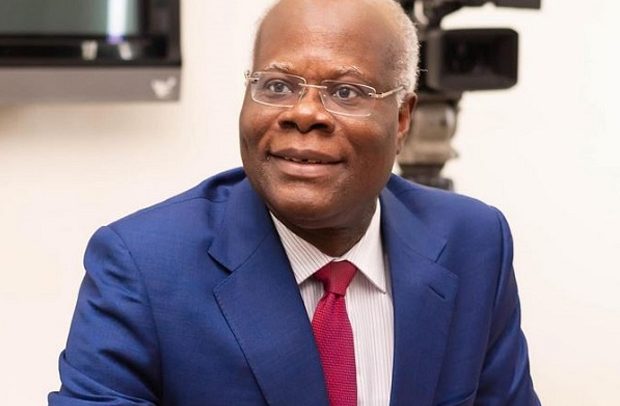





Facebook
Twitter
Pinterest
Instagram
Google+
YouTube
LinkedIn
RSS