


By Samuel SAM
On Wednesday, 6 March 1957, Dr. Kwame Nkrumah stood before a jubilant crowd and declared: “Ghana, our beloved country, is free forever.” He assured the people that Africans were capable of managing their own affairs, marking a defining moment in the nation’s history.
That proclamation triggered nationwide celebrations as Ghana gained independence from British colonial rule, becoming the first country in sub-Saharan Africa to do so. The historic milestone ignited liberation movements across the continent and positioned Ghana as a symbol of African self-determination.
Since then, 6 March has been observed annually as Independence Day. When the date falls on a weekend, the following Monday is declared a public holiday. Over the years, presidents and dignitaries from across Africa and beyond have joined Ghanaians in commemorating the occasion.
Today, at 69 years of independence, Ghana stands as a beacon of democracy, cultural pride and economic potential. Yet the journey has not been without challenges.
Recent years have tested the nation’s resilience, with high inflation, debt pressures, currency volatility and a rising cost of living weighing heavily on citizens. This year’s theme, “Building Prosperity, Restoring Hope,” acknowledges those difficulties while signalling a renewed commitment to recovery and sustainable growth.
Democratic consolidation
Since independence, Ghana has experienced periods of political instability, military interventions and democratic experimentation. The establishment of the Fourth Republic in 1993 marked a decisive turning point, ushering in constitutional governance, multiparty democracy and peaceful transfers of power.
The 1992 Constitution laid the foundation for sustained democratic practice. Over three decades, Ghana has witnessed successive administrations that have each contributed, in varying degrees, to institutional strengthening and national development despite economic volatility and global shocks.
Dr. Kwame Nkrumah: The visionary founder (1957–1966)
Dr. Kwame Nkrumah, Ghana’s first Prime Minister and later President, remains a towering figure in African history. Revered as Osagyefo — “The Redeemer” — he championed liberation, unity and rapid industrialisation.
After returning to the Gold Coast in 1947 as General Secretary of the United Gold Coast Convention (UGCC), Nkrumah broke away in 1949 to form the Convention People’s Party (CPP), rallying supporters with the call for “Self-Government Now”.
Through non-violent “positive action”, strikes and mass mobilisation, he built a powerful nationalist movement. Imprisoned in 1950, he nonetheless won the 1951 elections from jail and subsequently became Prime Minister.
His administration pursued ambitious infrastructure and industrial projects, including the Akosombo Dam, which created Lake Volta, the Tema Harbour, roads, schools, hospitals and factories. He expanded education, promoted science and technology, and played a central role in founding the Organisation of African Unity (now the African Union) in 1963.
Jerry John Rawlings: Consolidating the Fourth Republic (1993–2001)
Flight Lieutenant Jerry John Rawlings became President of the Fourth Republic on 7 January 1993. His administration consolidated democratic institutions and oversaw successive multiparty elections.
In the mid-1980s, Rawlings shifted towards economic reforms supported by the International Monetary Fund and World Bank, reversing economic decline and restoring international confidence. These reforms laid the groundwork for macroeconomic stability.
His tenure culminated in Ghana’s first peaceful democratic alternation of power in 2001 — a landmark achievement in post-independence Africa.
John Agyekum Kufuor: Economic stabilisation and social intervention (2001–2009)
President John Agyekum Kufuor introduced key social interventions, including the National Health Insurance Scheme (NHIS), the School Feeding Programme and free maternal healthcare.
His administration also secured debt relief under the Heavily Indebted Poor Countries (HIPC) initiative, stabilising the economy and supporting growth. Youth employment schemes and transport initiatives such as Metro Mass Transit expanded social inclusion.
Prof. John Evans Atta Mills: Stability and equity (2009–2012)
Prof. John Evans Atta Mills, who served until his untimely death in July 2012, focused on fiscal discipline, social equity and institutional stability. His administration advanced oil sector development following commercial discoveries and invested in infrastructure across education, health, ports and aviation.
He also promoted gender inclusion and prioritised peace and constitutional order during politically sensitive periods.
John Dramani Mahama: Infrastructure and renewal (2012–2017; 2025– )
Following President Mills’ death, Vice President John Dramani Mahama was sworn in under constitutional provisions, becoming the first Ghanaian Vice President to assume the presidency due to a predecessor’s death in office.
He later won the 2012 election and served until 2017, focusing heavily on infrastructure development, including roads, ports, airports and energy projects such as the Atuabo Gas Plant to address power shortages.
After losing the 2016 election, he returned to office following a decisive victory in December 2024, becoming the first Ghanaian president elected to a non-consecutive second term. His current administration centres on economic stabilisation and the “Resetting Ghana” agenda aligned with the Independence theme.
Nana Addo Dankwa Akufo-Addo: Education and industrial policy (2017–2025)
President Nana Akufo-Addo implemented the Free Senior High School policy, significantly expanding access to secondary education. His government also introduced initiatives such as One District, One Factory and Planting for Food and Jobs, alongside investments in digitalisation and infrastructure.
His tenure included navigating the COVID-19 pandemic and its economic aftermath.
Ghana at 69: A resilient democracy
The Fourth Republic has delivered multiple peaceful transitions of power and strengthened democratic institutions. Ghana is widely regarded as a model of constitutional governance in Africa.
However, economic vulnerabilities remain. Commodity price fluctuations, debt pressures and global crises have exposed structural weaknesses in the economy.
Speaking at a lecture at the Department of Media and Communication Studies at Tamale Technical University, Benjamin Adom noted that while political leaders deserve recognition, other unsung heroes who have contributed to national development should also be honoured, free from partisan or tribal considerations.
“The day is worth celebrating,” he said, “but emphasis must be placed on addressing economic challenges through long-term planning.”
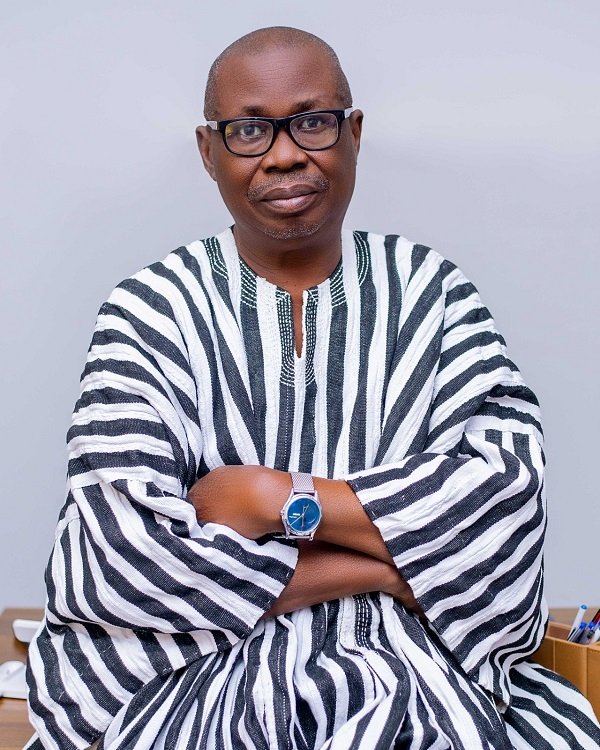
Dr. Desmond Sunday Adogoba, a research scientist and socio-economics expert, stressed that strengthening agriculture would enhance food security and entrepreneurship.
The road ahead
As Ghana marks 69 years of independence, the story is one of resilience — from colonial subjugation to democratic maturity. Yet the task of economic transformation remains unfinished.
The celebration is not only a remembrance of freedom won, but a reminder of the responsibility to build a more self-reliant and prosperous nation for future generations.
The post Ghana @ 69: A journey from colonial rule to resilience appeared first on The Business & Financial Times.
Read Full Story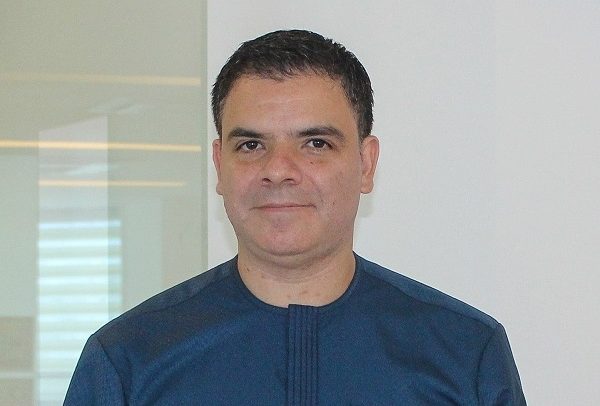





Facebook
Twitter
Pinterest
Instagram
Google+
YouTube
LinkedIn
RSS