


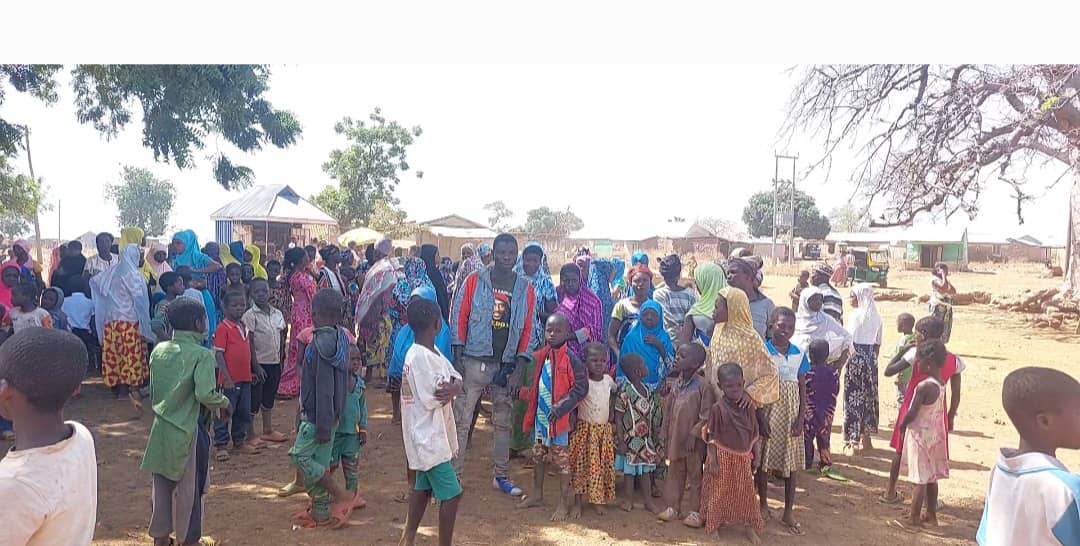
A census conducted by the Africa Education Watch revealed a high rate of Out-of-School Children (OOSC), with over 22 per cent of national figures concentrated in the Northern region alone.
The Census revealed that the highest OOSC numbers are among children aged 15-17, reflecting increasing school dropout at the secondary level, while significant gaps remain at the early childhood level (4-5 years).
The Census was conducted by Dr Jones A. Frimpong and Mr. Justice Agyei- Quartey, researchers at the Bureau for 360 Research and Innovation.
The census was conducted by Africa Education Watch with support from the Foreign, Commonwealth and Development Office, and in partnership with the STAR-Ghana Foundation.
The Census was conducted across 20 districts in Northern Ghana and aimed to generate robust, community-led data to guide education policy and programming.
The Census revealed that the majority of OOSC were males, particularly in districts such as Chereponi, Nanumba South, Tatale Sanguli, and Bawku West.
It means the males are at risk of dropping out due to migration, hazardous work, and socio-economic pressures.
This calls for targeted, context-specific strategies for boys and continued support to address factors that keep girls out of school or at risk of early exit.
The study identified that financial constraints and inadequate educational infrastructure, among others, were major barriers preventing children from accessing formal education.
The study recommended expansion in early childhood education infrastructure and staffing, particularly in underserved communities.
It also recommended the introduction of catch-up learning programmes for children at the higher ages, especially in high-OOSC districts.
The Census recommended the development of context-specific programmes for males, addressing migration, work-related dropout, and re-engagement strategies.
Mr Kofi Asare, the Executive Director of Africa Education Watch, said the figures must be a wake-up call for intensive intervention to address the challenges of OOSC.
“We need to explore new funding models to address issues of OOSC. We cannot achieve that much if we cut funding for agencies under the Education Ministry,” he said.
He said the school environment should retain learners who are moving out of school, calling for recruitment and deployment of teachers in the first quarter of 2026, especially in the Northern region.
Madam Dorothy Konadu, a board member of Eduwatch, said the presence of stakeholders was an indication of their commitment to ensuring equitable access to quality learning for all.
She said after four years of implementing various Out-of-School remedial interventions under the Education Sector Medium-Term Plan (2022-2025), it was critical to assess progress and generate insights to inform the development of the next and final Medium-Term Plan (2026-2029).
Hajia Nana Fatima High, the National Coordinator of the Ghana Education Outcomes Project, said the Census figures reflected the true state of the situation on the field, calling for urgent actions to address the challenges.
Mr Christopher Nkrumah, Education Specialist for Access, UNICEF, called for the strengthening of data systems for effective decision-making.
Source: GNA
The post Out of school children prevalent in Northern Ghana – Eduwatch Census appeared first on Ghana Business News.
Read Full Story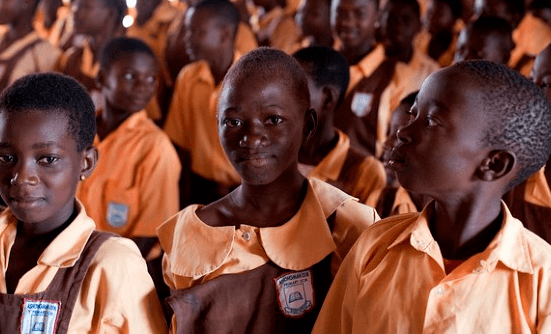












Facebook
Twitter
Pinterest
Instagram
Google+
YouTube
LinkedIn
RSS