
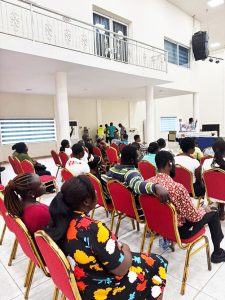

The Gold Fields Ghana Foundation has marked the 2026 World Malaria Day with a large-scale community engagement programme aimed at intensifying awareness creation, prevention efforts and collective action against malaria in its host communities.
Held under the global theme, “Driven to End Malaria: Now We Can. Now We Must,” the programme brought together stakeholders from the Tarkwa-Nsuaem and Prestea/Huni-Valley Municipalities to promote practical interventions towards reducing malaria prevalence and advancing Sustainable Development Goal Three, which focuses on good health and well-being.
Speaking at the event, Executive Secretary of the Gold Fields Ghana Foundation, Abdel Razak Yakubu, said the Foundation partnered the Tarkwa-Nsuaem Municipal Assembly and the Municipal Health Directorate to ensure the municipality was fully involved in the global observance.
He said chiefs, queen mothers, assembly members, unit committee executives, water and sanitation committee members, market women representatives and school children were invited to participate in discussions centred on malaria prevention and control.
Mr Yakubu explained that beyond awareness creation, the Foundation had procured weed slashers for distribution to water and sanitation committees in host communities to support communal labour activities such as clearing bushes, cleaning surroundings and removing stagnant water.
He noted that these environmental sanitation measures would help reduce mosquito breeding sites and lower malaria prevalence in the municipality.
According to him, malaria remains a serious public health challenge in the area, with about four out of every 10 cases reported at health facilities in the municipality being malaria-related.“The toll on productivity is very high, not to talk about morbidity and mortality as well,” he stated.
Mr Yakubu said the ultimate goal was to reduce malaria prevalence in communities and institutions through sustained education and practical interventions.
He announced that Gold Fields Ghana, through the Foundation, had committed GH¢320,000 this year towards World Malaria Day celebrations and related activities.
The amount, he said, would support radio programmes, public education campaigns and other interventions to create more awareness and drive down malaria cases in Tarkwa-Nsuaem and Prestea/Huni-Valley.
He cautioned that malaria should not be dismissed as a common illness, stressing that it remains a deadly disease that must be taken seriously.Municipal Health Director for Tarkwa-Nsuaem, Wilhelmina Tiwaa Duah, said malaria continues to top Out-Patient Department attendance in the municipality despite ongoing interventions.
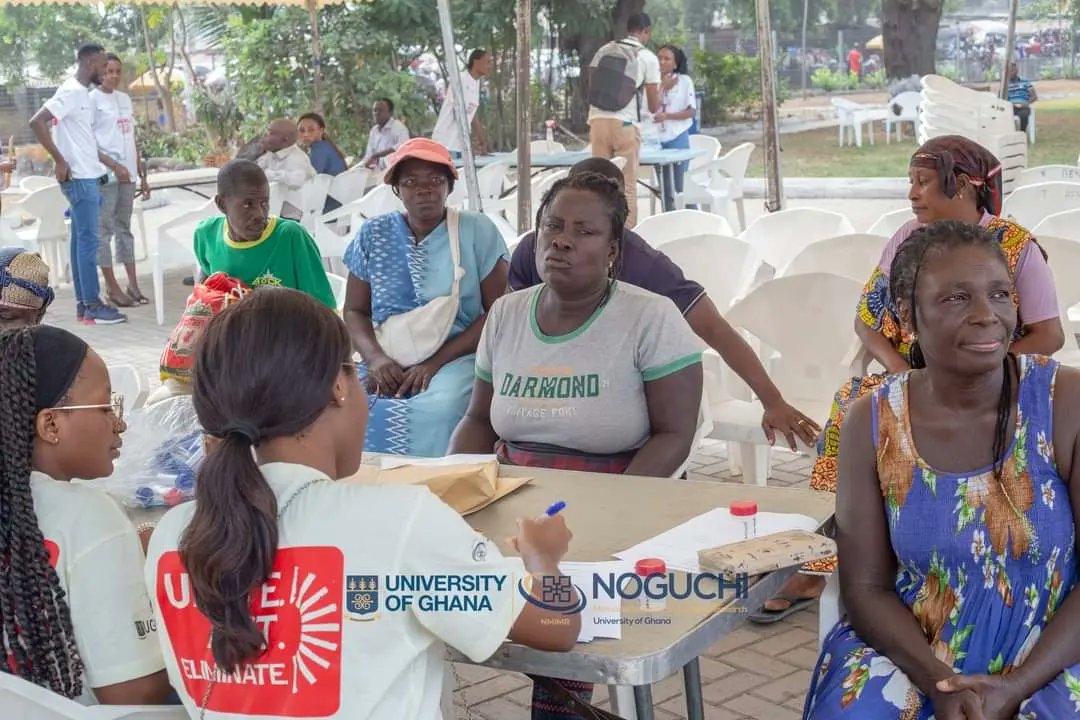
She disclosed that in 2025, health facilities recorded 160,474 suspected malaria cases, out of which 53,037 tested positive.She added that among pregnant women, 628 were tested for malaria, with 224 confirmed positive, describing the figures as significant and worrying.
Mrs Duah explained that malaria in pregnancy could lead to miscarriage, stillbirth, premature delivery, anaemia and developmental complications for babies. She said the condition also undermines efforts to reduce maternal mortality.
She said although health authorities continue to promote the use of insecticide-treated mosquito nets and intermittent preventive treatment for pregnant women, more action was needed to bring the numbers down.
Mrs Duah commended Gold Fields Ghana Foundation for its annual support to the Municipal Health Directorate in malaria prevention campaigns.She said this year’s programme had introduced a stronger environmental sanitation component to complement public education.
“We are encouraging citizens to keep the environment clean in such a way that we will not have breeding sites for mosquitoes because when we control the vector that spreads the parasite, then we break transmission,” she said.
She urged residents not to use the backyards of their homes as dumping grounds, but rather clear weeds, drain stagnant water and desilt gutters regularly.
According to her, Tarkwa’s heavy rainfall pattern makes proper sanitation even more critical because stagnant water easily becomes breeding grounds for mosquitoes.
Mrs Duah further encouraged residents who develop symptoms such as fever, headache, weakness and loss of appetite to report promptly to health facilities for treatment.
She said anti-malaria drugs available at health facilities remain effective, but patients must complete their full three-day treatment course even when they start feeling better.
She disclosed that the municipality had not recorded any malaria-related death in the past five years, attributing the achievement to early reporting and effective treatment.She also advised residents to use mosquito nets for their intended purpose and not for fishing, farming or other domestic activities.
The programme featured a stakeholder panel discussion on malaria transmission patterns, environmental factors that encourage mosquito breeding and sustainable prevention strategies.
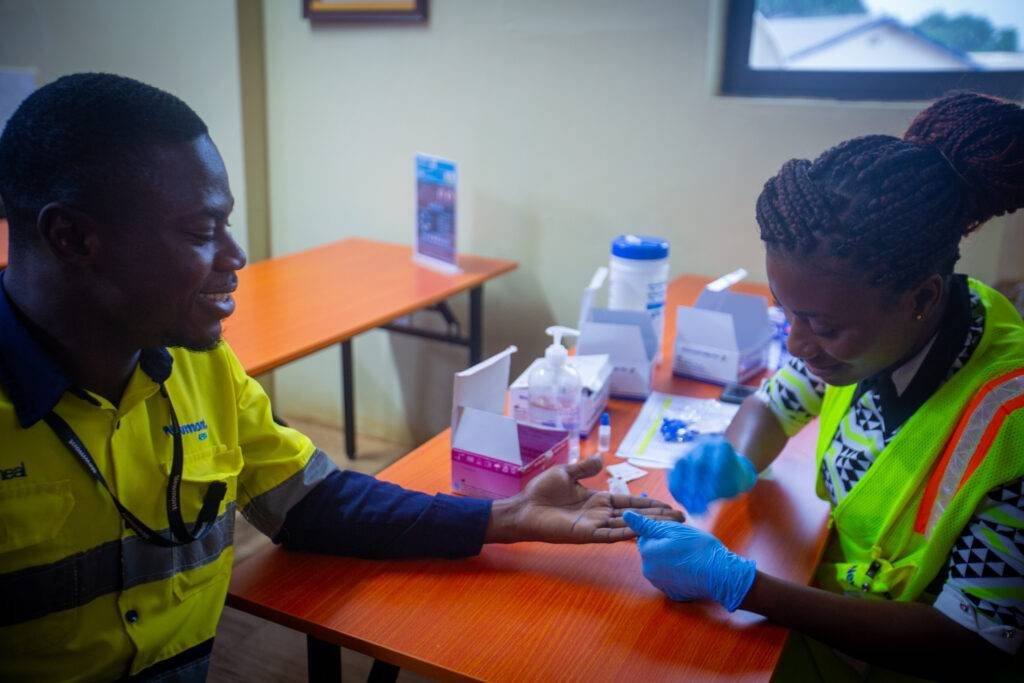
As part of practical interventions, organisers undertook a larviciding exercise using environmentally safe chemicals at identified mosquito breeding sites to disrupt the mosquito life cycle and reduce transmission risks.
For more news, join The Chronicle Newspaper channel on WhatsApp: https://whatsapp.com/channel/0029VbBSs55E50UqNPvSOm2z
The post Gold Fields Ghana Foundation Marks World Malaria Day With Strong Push Against Disease appeared first on The Ghanaian Chronicle.
Read Full Story





Facebook
Twitter
Pinterest
Instagram
Google+
YouTube
LinkedIn
RSS