

Ghana Water Limited (GWL) has cautioned residents of Agbogbloshie in the Accra Central District against illegal water connections and the use of inline booster pumps, warning that offenders risk sanctions under the law.
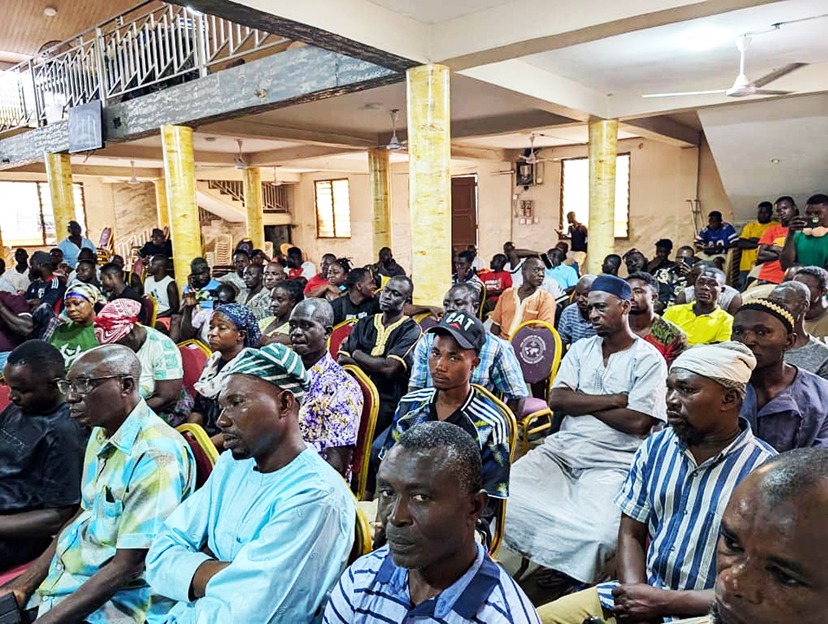
The warning was issued during a community engagement organised by the Accra East Region of GWL to strengthen relations with customers, address concerns over water supply and educate residents on the responsible use of potable water.
The engagement, held at the Church of Pentecost, provided residents with an opportunity to interact directly with GWL officials and raise concerns about water supply, billing, metering, disconnections and other challenges confronting consumers in the community.
The Regional Public Relations Manager of the Accra East Region, Nana Yaw Barima Barnie, who addressed the gathering, emphasised the importance of water to human life and urged consumers to treat potable water as a valuable service for which they must pay.
He called on residents to settle their water bills promptly and in full, stressing that customers should not allow arrears to accumulate over extended periods.
Nana Barnie also warned against illegal connections and reconnections, saying persons found engaging in such practices would face the appropriate sanctions. He explained that GWL was undertaking an exercise to eliminate what is popularly known as “spaghetti lines”—multiple and unauthorised pipelines laid in gutters and other unhygienic locations.
According to him, customers who had been disconnected because of outstanding bills would be reconnected after providing evidence that their bills had been fully settled.
The engagement, however, exposed several concerns among residents, including low water pressure, high accumulated bills and questions surrounding the timing of disconnections.
Some residents questioned why customers who had been legally connected to the GWL network were allowed to accumulate substantial arrears before being disconnected.
Others complained about difficulties in accessing water because of low pressure in parts of the community.
The issue of commercial water facilities, popularly known as “showers”, also featured prominently in the discussions. Residents explained that some of the facilities were owned by people who did not live in the community and were subsequently handed over to other persons to manage.
They said managers of such facilities were sometimes unaware of accumulated bills because billing information was sent directly to the registered owners. In response, GWL officials assured residents that steps would be taken to improve communication with both owners and managers of the facilities.
They said billing information would be communicated through the registered contact details of relevant customers to ensure that bills reached the appropriate persons and were settled on time. The engagement also provided an opportunity for GWL to educate residents about its transition to electronic billing and payment systems.
Officials explained that the new system would make it easier for customers to access their bills and make payments electronically. Accurate billing was another major issue raised by residents, particularly those who currently receive estimated bills because they do not have water meters.
While some residents expressed concern that the installation of meters could result in higher bills, GWL officials explained that metering would provide a more accurate basis for determining consumption and promote accountability between the company and its customers.
Residents were consequently encouraged to use potable water judiciously and avoid unnecessary wastage during bathing, washing and other household activities.
The officials noted that seemingly small quantities of wasted water could translate into significant volumes and costs when multiplied across a large number of consumers.
On concerns about water pressure, officials cautioned residents against the use of inline booster pumps to increase the pressure of water entering their homes.
They explained that the practice was not permitted and could attract sanctions, adding that widespread use of booster pumps could interfere with pressure within the distribution network and negatively affect other consumers.
Residents were also urged to report suspected cases of water theft and illegal connections to the appropriate GWL offices.
They were further encouraged to report any staff member suspected of facilitating illegal connections or reconnections to enable the company to investigate and take appropriate disciplinary action where necessary.
The Accra Central District Manager, Ing. Ebenezer Kokoroko, stressed the importance of sustained communication between GWL and the communities it serves.
He said the company was working to strengthen community-level engagement by identifying community representatives who could help communicate GWL’s activities, relay concerns from residents and support efforts to resolve issues at the local level.
For more news, join The Chronicle Newspaper channel on WhatsApp: https://whatsapp.com/channel/0029VbBSs55E50UqNPvSOm2z
The post GWL Warns Ghanaians Against Illegal Water Connections appeared first on The Ghanaian Chronicle.
Read Full Story


.jpg)


Facebook
Twitter
Pinterest
Instagram
Google+
YouTube
LinkedIn
RSS