


By Kizito CUDJOE
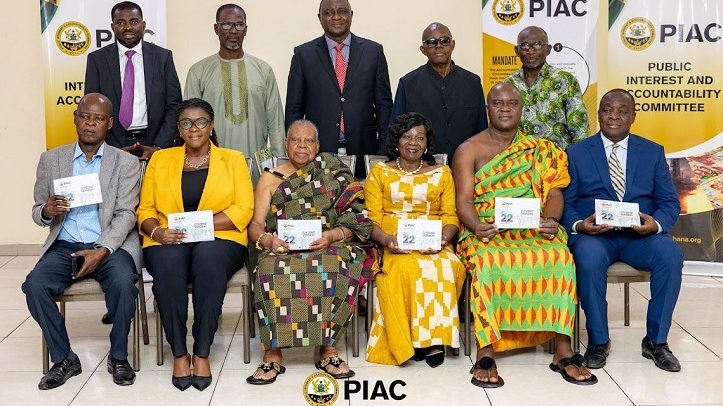
Finance Minister Dr. Cassiel Ato Forson has pledged to release 100 percent of budgeted funds to the Public Interest and Accountability Committee (PIAC), following months of financial uncertainty which have constrained the committee’s ability to independently oversee management of Ghana’s petroleum revenues.
The assurance was given at a meeting with PIAC several months after the committee was removed from direct access to the Annual Budget Funding Amount (ABFA), following the Petroleum Revenue Management Act’s (PRMA) 2025 amendment.
Since the amendment PIAC has faced persistent delays and uncertainty in funding, raising concerns among civil society organisations and governance experts about the sustainability of independent petroleum revenue oversight.
PIAC, the statutory body mandated to monitor petroleum revenue management, conducted only one regional engagement in the Ashanti Region for 2025, along with two oil-funded project inspections in the Northern and Eastern Regions. This fell far short of its operational target of 16 inspections per quarter, or 64 annually.
These activities were carried out with significant financial support from the Deutsche Gesellschaft für Internationale Zusammenarbeit (GIZ), the German development agency, and Good Governance Africa – a non-profit organisation focused on strengthening governance across the continent.
Several planned public outreach programmes were also suspended; including media engagements on PIAC’s 2024 Annual Report, which forms part of the committee’s statutory obligations under the PRMA, Act 815.
These funding challenges emerged against the backdrop of a sharp reduction in PIAC’s budgetary support. The amount approved for the committee in the 2025 national budget is GH¢4.6million – representing 21.9 percent of its approved allocation for the year and about 55 percent of actual receipts in 2024, according to the 2025 Budget Statement and Economic Policy.
These setbacks follow amendments to the PRMA passed earlier this year. The 2025 revision, Act 1138, removed provisions that previously guaranteed PIAC a dedicated source of funding from petroleum revenues.
Under the now-repealed Section 21 of the 2015 amendment to the PRMA, at least 70 percent of the ABFA – the portion of petroleum revenue allocated to the national budget – was earmarked for public investment, with PIAC’s budget treated as a direct charge on the fund. This arrangement provided a measure of financial independence and shielded the committee from arbitrary budget cuts.
The revised law however fully integrates the ABFA into the national budget, subjecting its use to general budgetary procedures. Allocations are now to be guided by the Medium-Term Expenditure Framework and long-term development plans, with priority given to economic development, regional equity and infrastructure.
The amendment further provides that a maximum five percent of ABFA resources earmarked for infrastructure development may be allocated to the District Assemblies Common Fund (DACF). In addition, Section 57(3) of the principal Act, which offered additional protection for PIAC’s funding, has been repealed.
At the meeting, Dr. Forson also said disbursements to PIAC will henceforth be made on a semiannual basis, replacing quarterly releases in a move aimed at improving predictability and supporting long-term planning.
The Chairman of PIAC, Mr. Richard Kojo Ellimah, said lack of a sustainable funding source had created the impression that government is deliberately starving a key accountability institution.
“The lack of a sustainable source for funding has also led to non-payment of staff salaries and members’ allowances for four and six months respectively,” he said.
As a result, several statutory activities of the committee – including regional engagements, district-level project inspections and publication of mandated reports – have not been fully carried out.
“So, currently, the committee has not been able to submit copies of its 2025 semi-annual report to the Presidency, Parliament and Ministry of Finance as required by law,” sources at the meeting disclosed.
Responding to the concerns, Dr. Forson said government has come to the view that petroleum revenues in the past were not prudently managed, citing the proliferation of scattered projects across the country which failed to deliver lasting value.
He said the introduction of government’s Big Push initiative was intended to redirect petroleum revenues toward long-term, high-impact legacy projects.
The minister said government recognises the impact of recent PRMA amendments on PIAC’s funding and remains firmly committed to supporting the committee, emphasising its critical role in safeguarding value for money in the use of petroleum revenues.
The post Finance minister pledges full budget support for PIAC amid funding uncertainty appeared first on The Business & Financial Times.
Read Full Story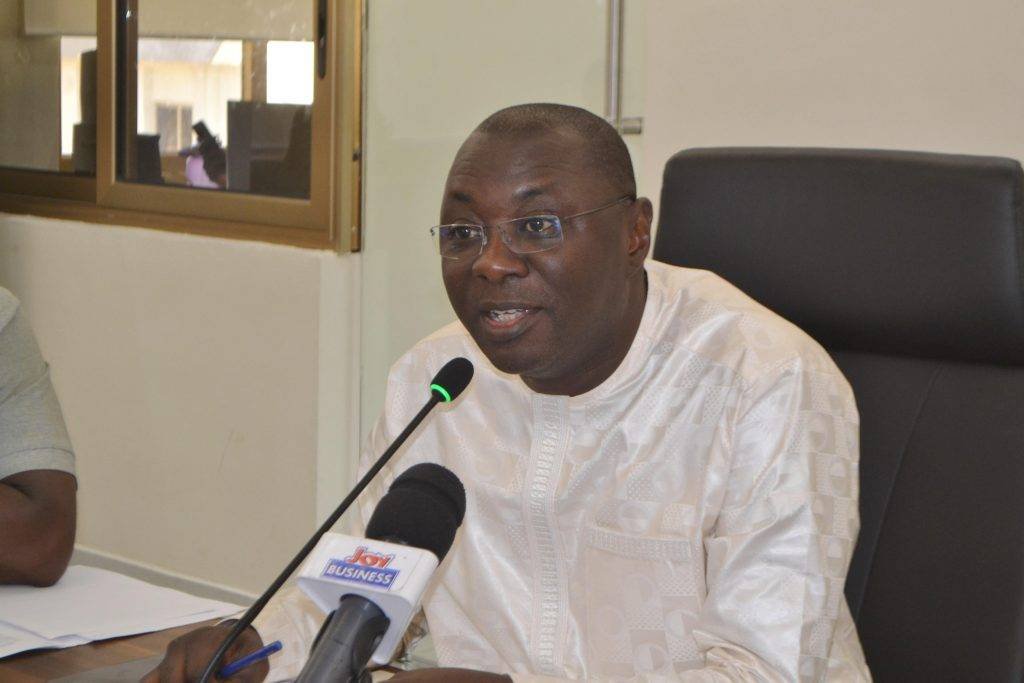





Facebook
Twitter
Pinterest
Instagram
Google+
YouTube
LinkedIn
RSS