


Malaria remains one of the major public health challenges facing many countries in Africa, including Ghana. Although the disease is preventable and treatable, delayed diagnosis, inadequate access to healthcare and misconceptions about treatment continue to put lives at risk.
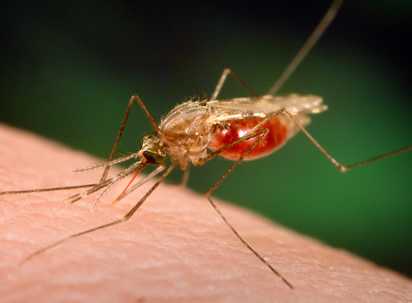
Malaria is caused by Plasmodium parasites and is primarily transmitted through the bites of infected female Anopheles mosquitoes. Common symptoms include fever, chills, headache, weakness and other signs of illness. Without prompt diagnosis and effective treatment, malaria—particularly Plasmodium falciparum malaria—can progress rapidly to severe disease and, in some cases, death. (World Health Organization??)
For this reason, public education and personal protection remain essential in the fight against malaria.
One of the most effective ways of preventing malaria is to reduce exposure to mosquitoes.
People living or working in malaria-prone areas should sleep under insecticide-treated mosquito nets, particularly at night when malaria-transmitting mosquitoes are most active. Other protective measures include wearing clothing that reduces exposed skin, using appropriate mosquito repellents and supporting measures such as indoor residual spraying where available. (World Health Organization??)
Keeping surroundings clean and reducing mosquito breeding sites can also contribute to malaria prevention.
Good nutrition, adequate rest and general wellbeing are important for maintaining good health. People who work outdoors or engage in physically demanding activities should ensure that they eat properly, drink sufficient fluids and get adequate sleep.
However, it is important to understand that hunger, lack of sleep, exposure to cold air or standing in front of a fan do not directly cause malaria. Malaria is caused by parasites transmitted primarily through infected mosquito bites. Recognising the actual cause of the disease is important so that people focus on proven preventive measures rather than misconceptions.
Do Not Guess—Get Tested
Fever, headache, chills, weakness and body pains can occur with malaria, but these symptoms can also be caused by other illnesses. Therefore, anyone who develops symptoms suggestive of malaria should seek medical attention and, where available, undergo a malaria test such as a rapid diagnostic test or microscopy.
The World Health Organization recommends parasite-based testing for suspected malaria before treatment whenever reliable testing is available. Early diagnosis helps healthcare professionals distinguish malaria from other causes of fever and select the appropriate treatment. (World Health Organization??)
People should therefore avoid taking medicines randomly or relying solely on symptoms to determine whether they have malaria.
Seek Proper Treatment Early
Malaria is treatable, but early treatment is extremely important. For uncomplicated P. falciparum malaria, artemisinin-based combination therapies (ACTs) are among the recommended treatments. Ghana’s malaria case-management guidelines include medicines such as artesunate-amodiaquine and artemether-lumefantrine among the country’s first-line ACT options. (Ghana Health Service??)
Patients should take antimalarial medicines exactly as prescribed by qualified healthcare professionals and complete the recommended course.
Importantly, people should not self-administer injections such as artesunate or artemether simply because they have a fever. Injectable antimalarial medicines are used in specific clinical circumstances, particularly severe malaria, and should be administered by trained healthcare professionals. (WHO | Regional Office for Africa??)
Similarly, taking unverified herbal preparations, imported medicines or combinations of drugs without professional guidance may delay correct diagnosis and treatment.
A Personal Reflection from Dei Musleg
My name is Dei Musleg, also known as Dai Mingsheng, and I have lived in Accra for more than 20 years.
Ghana is a beautiful and welcoming country with enormous potential, but like many countries, it faces challenges that require collective attention. One issue I have become increasingly concerned about is the impact of malaria on families and communities.
I believe many people can live long and healthy lives when they have access to good healthcare, proper nutrition, a healthy environment and accurate health information. Unfortunately, preventable and treatable diseases such as malaria can become life-threatening when people delay seeking medical attention.
Over the years, I have observed that many young people also suffer from malaria, while some families struggle to afford quality healthcare. This makes public education even more important.
In my view, malaria should never be treated casually. It may be preventable and treatable, but it can become dangerous when diagnosis and treatment are delayed.
My appeal, therefore, is simple: let us take malaria seriously.
Let us sleep under mosquito nets. Let us protect ourselves from mosquito bites. Let us seek testing when we develop symptoms. Let us follow the advice of qualified healthcare professionals and avoid taking medicines indiscriminately. Most importantly, let us make health education a shared responsibility.
The fight against malaria cannot be left to health professionals and government institutions alone. Individuals, families, employers, community leaders, schools, churches, traditional authorities and the media all have important roles to play.
We must continue educating the public about how malaria is transmitted, how it can be prevented, when to seek medical care and why completing prescribed treatment matters.
No family should lose a loved one because a treatable illness was ignored or treated too late.
With greater awareness, early diagnosis, proper treatment and stronger preventive measures, we can reduce the burden of malaria and help more people live longer, healthier lives.
Let us make malaria prevention everyone’s responsibility.
Long live the Republic of Ghana.
By Dei Musleg (Dai Mingsheng)
Signed:
??? (Dai Mingsheng)
Accra, Ghana
For more news, join The Chronicle Newspaper channel on WhatsApp: https://whatsapp.com/channel/0029VbBSs55E50UqNPvSOm2z
The post Malaria prevention: a call for greater public awareness and early treatment appeared first on The Ghanaian Chronicle.
Read Full Story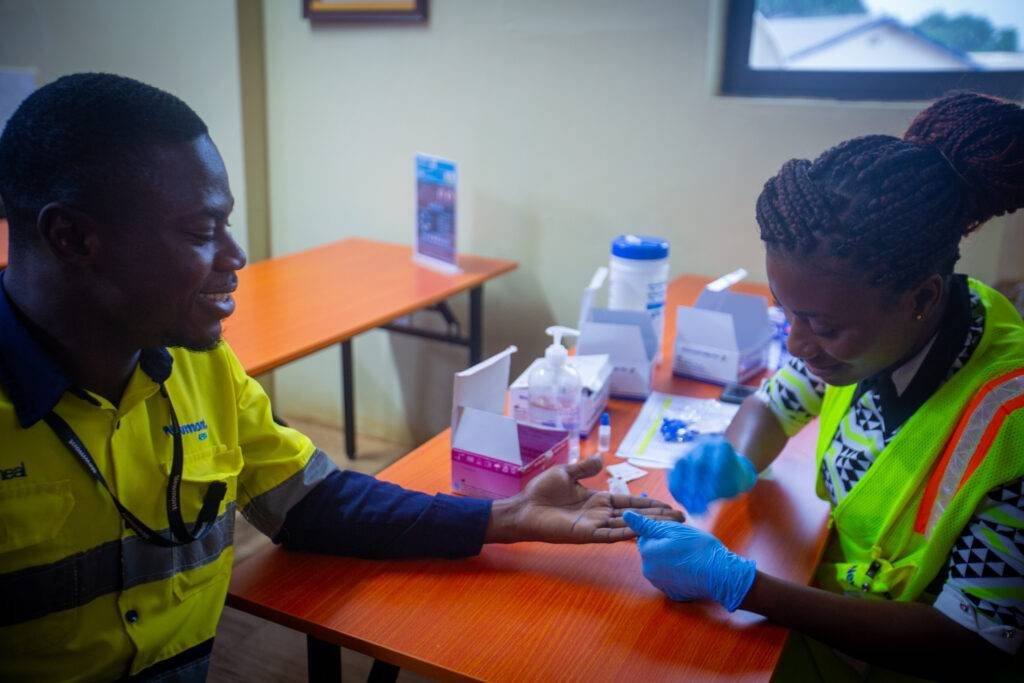



Facebook
Twitter
Pinterest
Instagram
Google+
YouTube
LinkedIn
RSS