


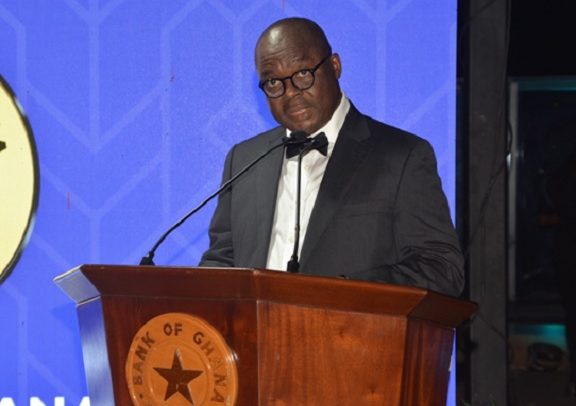
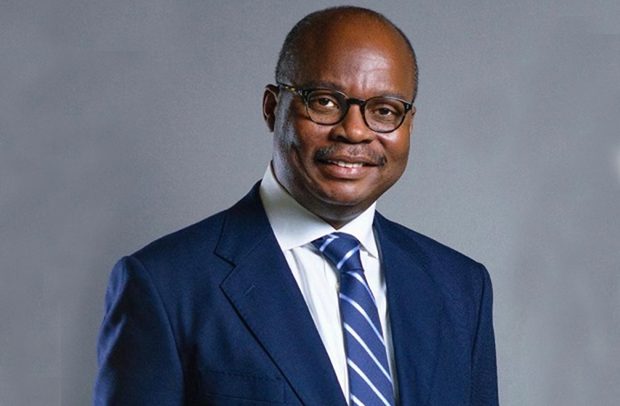
The Governor of the Bank of Ghana (BoG), Dr Johnson Pandit Asiamah, has urged journalists, publishers and media owners to play a critical role in anchoring confidence and stabilising expectations as Ghana consolidates recent economic gains and enters what he described as a “reset” phase.
Dr Johnson Asiamah said the media’s responsibility in providing accurate, balanced and contextualised economic information was indispensable to sustaining macroeconomic stability and deepening public trust in policy decisions.
The Governor made the call in an address delivered on his behalf by Dr Francis Yao Kumah, Advisor to the Governor, at a training workshop organised by the Private Newspapers and Online News Publishers’ Association of Ghana (PRINPAG), at the Peace Holiday Resort, Solikope, in Ada East District.
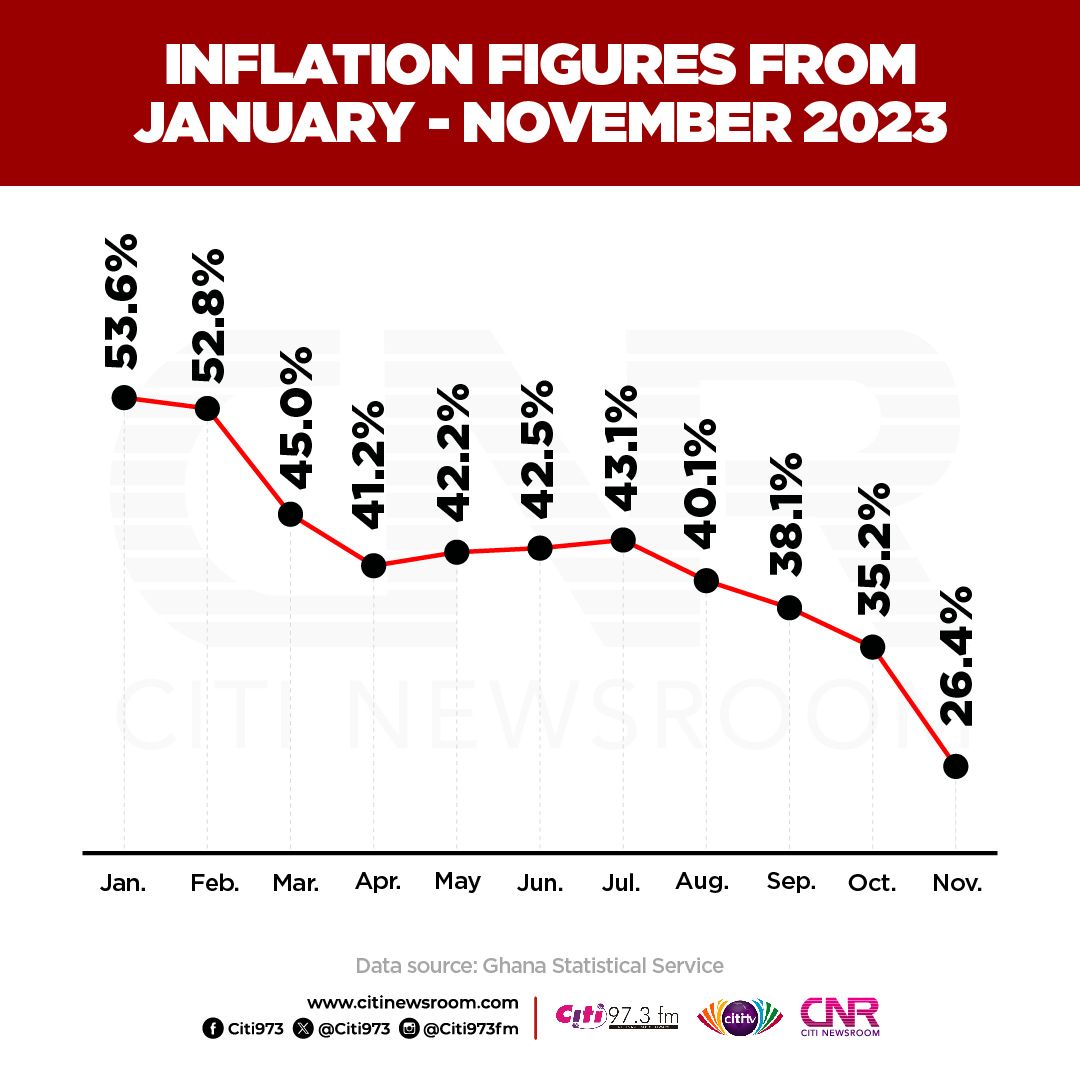
He said Ghana entered 2026 on a stronger footing than a year earlier, citing a steady decline in inflation from 23.8 per cent in December 2024 to 5.4 per cent in December 2025, improved stability in the foreign exchange market and a build-up of gross international reserves to more than 13.9 billion United States dollars, equivalent to about 5.7 months of import cover.
Dr Johnson Asiamah said the gains were the result of discipline, consistency and a deliberate focus on credibility, stressing, however, that stability should be seen as a ‘launchpad’ rather than an end in itself.
“Resetting the economy,” he explained, involved resetting expectations from short-termism to patience, embedding reforms within institutions so that stability became routine, and reshaping behaviours across markets, households and the information ecosystem.
The Governor noted that economic and financial policies were often technical and their effects not immediately visible, making responsible journalism crucial in helping citizens and markets understand trade-offs and timelines.
He identified three key roles for the media in the reset phase: contextualising economic data and policy decisions, constructively scrutinising institutions to strengthen accountability, and countering misinformation to stabilise expectations.
“A steady information environment is an essential part of macroeconomic stability,” he said.
Outlining the Bank’s focus for 2026, the Governor said the year would be characterised by consolidation and discipline, with emphasis on orderly foreign exchange and money markets, resilient payment and digital finance systems, preventive supervision and predictable policy communication.
He said oversight and enforcement in the foreign exchange market would remain firm to curb abuse, while innovation in payments and digital finance would be supported within clear regulatory boundaries to protect consumers and maintain trust.
Dr Johnson Asiamah also called on journalists and media owners to deepen economic literacy, strengthen internal verification processes for market-sensitive stories and differentiate short-term volatility from long-term economic direction.
He announced new initiatives aimed at strengthening collaboration between the Bank of Ghana and the media, including expanded specialised training programmes, the establishment of a regular Editors’ and Producers’ Forum and the introduction of a Governor’s “Economic and Financial Story of the Year” Award.
The award, he said, would recognise excellence in economic reporting and sponsor the winning journalist to attend the IMF/World Bank Meetings.
Dr Asiamah reaffirmed the Bank’s commitment to openness, engagement and respect for the media’s constitutional role, stressing that when the media succeeded, public understanding improved and the economy functioned better.
“Resetting the economy is not the work of one institution,” he said, calling for a shared commitment to discipline, credible policies and informed public discourse to turn stability into sustained prosperity.
The post BoG Boss calls on the media to support economic reset agenda appeared first on The Ghanaian Chronicle.
Read Full Story



Facebook
Twitter
Pinterest
Instagram
Google+
YouTube
LinkedIn
RSS