


The nationwide clean-up exercise declared by President John Dramani Mahama following the recent floods may have been prompted by a national emergency, but its success has demonstrated something far more significant.
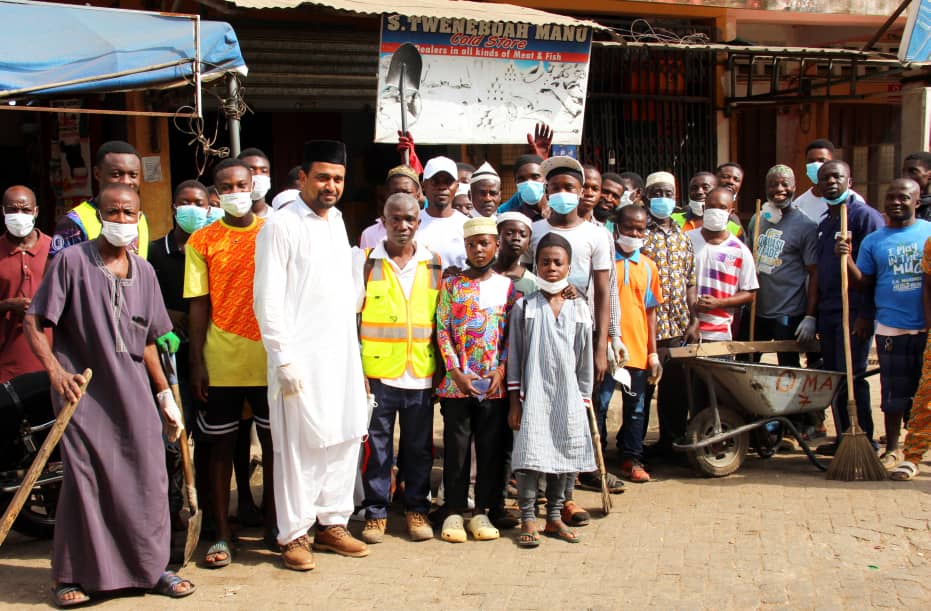
Last Friday and Saturday, The Chronicle observed the exercise in several parts of Accra and was genuinely impressed by the level of public participation. Residents, assembly officials, traditional leaders, security personnel, market women, youth groups and volunteers all joined hands to clear drains, remove refuse and clean public spaces.
More importantly, the results were visible. Streets that had previously been littered with waste were transformed, choked drains were desilted and, in almost every area we visited, refuse heaps had disappeared. The remarkable improvement in environmental cleanliness deserves commendation.
This should not, however, be regarded as a one-time response to flooding. Rather, it should serve as the foundation for a permanent national sanitation culture. The Chronicle strongly believes that the National General Cleaning Day should be institutionalised and observed on the last Saturday of every month.
Many older Ghanaians remember the days when communal labour was an important feature of national life. Entire communities voluntarily came together to clean their surroundings, clear drains, weed public spaces and maintain roads.
Beyond improving sanitation, those exercises fostered community spirit, discipline and collective responsibility. Unfortunately, that culture has gradually faded, with many people now believing that sanitation is solely the responsibility of government or private waste contractors. The recent exercise has shown that this attitude can be reversed.
We are equally encouraged by President Mahama’s directive for the immediate operationalisation of the six waste transfer stations built and managed by Zoomlion Ghana Limited at Achimota, Teshie, Kpone, Ashaiman, Pantang and Adipa. These facilities will serve as temporary collection points where refuse can be compacted before being transported to final disposal sites, including the Accra Compost and Recycling Plant (ACARP) and the Accra Integrated Recycling and Compost Plant (IRECOP).
This initiative deserves commendation because one of the biggest challenges confronting sanitation efforts has often been the delay in evacuating waste after communities have cleaned their surroundings. Efficient transfer stations will help speed up refuse collection, reduce overflowing waste containers and strengthen waste management across the Greater Accra Region.
Nevertheless, infrastructure alone will not solve Ghana’s sanitation problems. Monthly clean-up exercises would significantly reduce the burden on Metropolitan, Municipal and District Assemblies (MMDAs) by ensuring that drains are cleared regularly before they become blocked and refuse is removed before it accumulates into mountains of waste. It is far less expensive to prevent sanitation problems than to spend millions of cedis responding to floods, disease outbreaks and environmental degradation.
The health benefits of sustained sanitation cannot be overstated. Poor waste management continues to contribute to the spread of cholera, typhoid, diarrhoeal diseases and malaria. Following floods, stagnant water and decomposing waste create ideal breeding grounds for mosquitoes and harmful bacteria. Maintaining clean communities throughout the year is therefore one of the most effective forms of disease prevention and an important investment in public health.
Public education must also be intensified. It makes little sense to spend valuable time and resources cleaning drains only for some irresponsible individuals to dump refuse into them again the following day. Schools, religious organisations, traditional authorities, civil society groups and the media all have a responsibility to promote environmental responsibility and encourage proper waste disposal practices.
At the same time, the assemblies must enforce sanitation by-laws without fear or favour. Persistent offenders who litter public places, dump refuse into drains or obstruct waterways must face the penalties prescribed by law. Experience has shown that education alone is insufficient where indiscipline persists. Effective enforcement will ensure that the gains made during these clean-up exercises are not quickly reversed.
The success of the National General Cleaning Days has demonstrated that when government provides leadership and citizens respond positively, meaningful change is possible. We, therefore, urge the government to formally establish a monthly National Sanitation Day across the country. Such a policy would gradually restore Ghana’s cherished communal labour tradition, improve environmental cleanliness, reduce flooding and protect public health.
Cleanliness must never become our concern only after disasters strike. It should become a permanent national habit. The impressive public response witnessed last Saturday has shown the way forward. The responsibility now lies with both government and citizens to ensure that this commendable initiative becomes a lasting feature of our national life rather than a temporary response to a crisis.
For more news, join The Chronicle Newspaper channel on WhatsApp: https://whatsapp.com/channel/0029VbBSs55E50UqNPvSOm2z
The post Editorial: National Clean-Up Exercise Must Become A Permanent Feature appeared first on The Ghanaian Chronicle.
Read Full Story


Facebook
Twitter
Pinterest
Instagram
Google+
YouTube
LinkedIn
RSS