


By: Professor Kwasi Dartey-Baah
Leadership is often associated with vision, influence, decision-making and the ability to inspire others. Yet, one of the most powerful leadership habits is often overlooked: self-talk. The ability of leaders to engage in honest conversations with themselves is a defining factor in their growth, relevance and long-term effectiveness.
In every organisation, leaders are expected to provide direction, create value and drive performance. However, no leader is immune to mistakes, blind spots or moments of poor judgment. What distinguishes exceptional leaders from average ones is not the absence of errors but the willingness to confront them, learn from them and emerge stronger.
Self-talk provides leaders with the opportunity to pause and assess their actions, decisions and behaviours. It is the internal process of asking difficult questions and providing honest answers. Am I leading by example? Have my actions aligned with the values I expect others to uphold? Am I creating the kind of culture that enables people and organisations to thrive?
“The leaders who grow the most are often those who are brave enough to challenge themselves before others do.”
Organisational development begins with personal development. Leaders who neglect self-reflection risk drifting away from the very vision they seek to champion. Over time, the gap between what they preach and what they practice can widen, eroding trust and diminishing their effectiveness. Regular introspection serves as a compass, helping leaders remain aligned with their purpose while identifying areas that require improvement.
Self-talk is also a reminder of a fundamental truth: leadership is a human endeavour. The pursuit of excellence does not demand perfection. It requires awareness, humility and the discipline to improve continuously. Leaders who reflect regularly are more likely to recognise when they have fallen short and take deliberate steps to recalibrate. Rather than being discouraged by setbacks, they use them as opportunities for growth and renewal.
Importantly, self-talk should not focus exclusively on shortcomings. It should also create space for acknowledging progress and celebrating achievements. Organisations flourish when success is recognised and shared. Leaders who intentionally reflect on accomplishments are better positioned to appreciate the contributions of their teams and reinforce behaviours that drive future success.
In an increasingly competitive and fast-changing environment, leadership relevance cannot be sustained by experience alone. It requires intentional learning, the courage to unlearn outdated practices and the wisdom to embrace new approaches that create value. Organisational excellence demands leaders who are willing to examine what is working, discard what is not and boldly pursue better alternatives.
“Leadership excellence is not built in public moments of applause; it is forged in private moments of honest reflection.”
Ultimately, the strongest leaders are those who judge themselves before circumstances or stakeholders do. They understand that sustainable leadership is not a destination but a continuous process of reflection, refinement and renewal. When leaders develop the habit of looking inward, they strengthen their capacity to lead outward. And when they commit to improving themselves consistently, they create organisations that are equally committed to growth, excellence and lasting impact.
The mirror never lies. The question is whether leaders are willing to look into it and act on what they see.
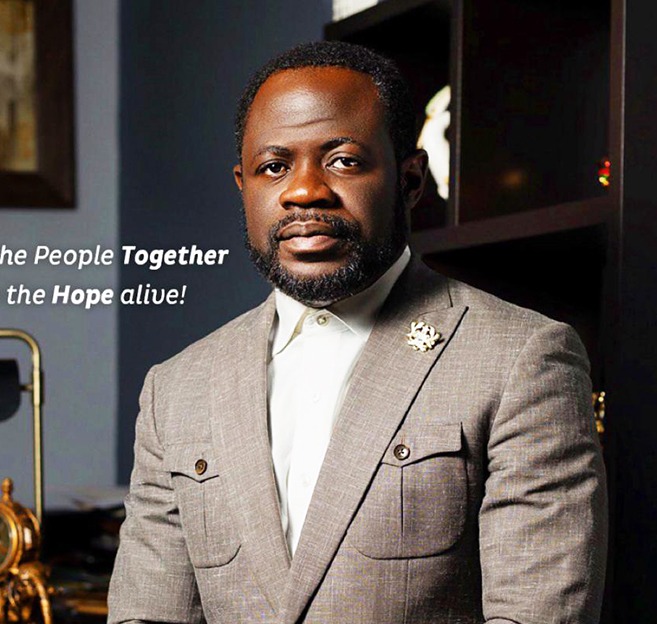
Professor Kwasi Dartey-Baah is the Vice-Chancellor of Central University and a Professor of Leadership & Organisational Development
The post Leading from within: Why self-reflection matters in leadership appeared first on The Business & Financial Times.
Read Full Story









Facebook
Twitter
Pinterest
Instagram
Google+
YouTube
LinkedIn
RSS