


Public optimism about the country’s direction is picking up as inflation eases, the currency stabilises and financial conditions improve, according to a new survey by the Institute of Economic Affairs.
The survey shows that 58 percent of respondents say they are happy with how things are going in the country, signalling a shift in mood after several years of economic stress. The IEA said the results reflect the impact of macroeconomic stabilisation recorded in 2025, following a period marked by high inflation, currency volatility and debt restructuring.
According to the think tank, exchange rate stability has been central to the improving outlook. The cedi appreciated by about 32 percent against the US dollar between 2024 and 2025, helping to contain imported inflation and reduce pressure on household budgets. The stronger currency, combined with tighter macroeconomic management, fed through to lower prices across parts of the economy.
“The stabilisation of the exchange rate has contributed to easing price pressures,” the IEA said, pointing to lower fuel prices and reduced costs of some imported consumer goods. Inflation fell sharply to 5.4 percent in 2025 from 23.8 percent the previous year, marking a decisive turnaround from the high-inflation environment that weighed on incomes and consumption.
Fiscal indicators also improved over the period. Ghana’s debt-to-GDP ratio declined to about 45 percent by end-October 2025 from 61.8 percent at the end of December 2024. The IEA attributed the improvement to fiscal consolidation measures and the impact of the Domestic Debt Exchange Programme, which reduced the government’s immediate debt servicing burden.
Financial conditions showed signs of easing as well. Average lending rates fell to 22.2 percent from 30.2 percent, lowering borrowing costs for businesses and households. While credit conditions remain tight for some sectors, the decline in rates has helped reduce debt servicing pressures and improved cash flow for borrowers.
The survey findings also reflect a gradual recovery from the effects of the Domestic Debt Exchange Programme on households and investors. Although losses incurred under the restructuring have not been fully reversed, the IEA said stabilising prices and incomes are beginning to improve confidence.
“These developments have contributed to the more positive sentiment recorded in the survey,” the think tank said. It cautioned, however, that sustaining public optimism will depend on maintaining price stability, keeping public debt on a sustainable path and ensuring that macroeconomic gains translate into jobs and income growth.
For now, the survey suggests that economic stabilisation is starting to influence how many Ghanaians assess the country’s trajectory, with optimism returning as key pressures ease.
The post Public optimism returns as economy stabilises – IEA Survey appeared first on The Business & Financial Times.
Read Full Story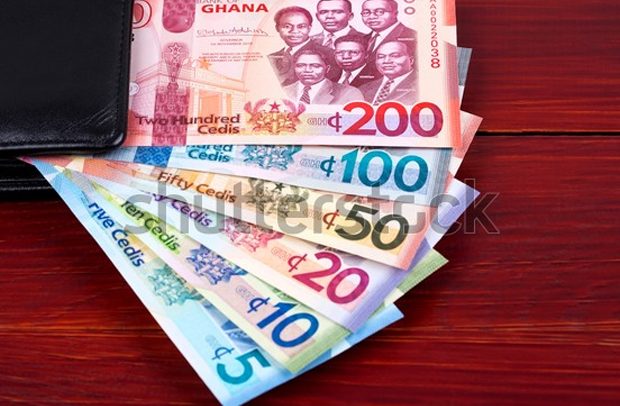







Facebook
Twitter
Pinterest
Instagram
Google+
YouTube
LinkedIn
RSS